Medical education public health: 12.47 billion funding guide
"The evolution of medical training and the expansion of healthcare access are deeply intertwined with the strategic allocation of resources and the creation of robust public health institutions."
The history of medical education and public health is a journey of shifting from individual clinical care to systemic community protection. This transition involves understanding how legislative changes, institutional frameworks, and funding models shape the health of entire populations.
Key takeaways: 1. Legislative milestones, such as the Affordable Care Act, expanded insurance access for lower-income families. * Institutional responses to outbreaks, like those seen in Taiwan, create the foundation for modern health systems. 2. Resource allocation, including international health aid and GDP-based spending, dictates the scope of public health reach.
How has the history of medical learning shaped modern systems?
A researcher sits in a quiet library, tracing the lineage of medical training from early apprenticeship to modern institutional models. The development of medical education and public health is not merely about learning anatomy but about understanding how to manage population-wide health risks.
The evolution of medical training has historically transitioned from specialized clinical instruction to broad-based public health management.
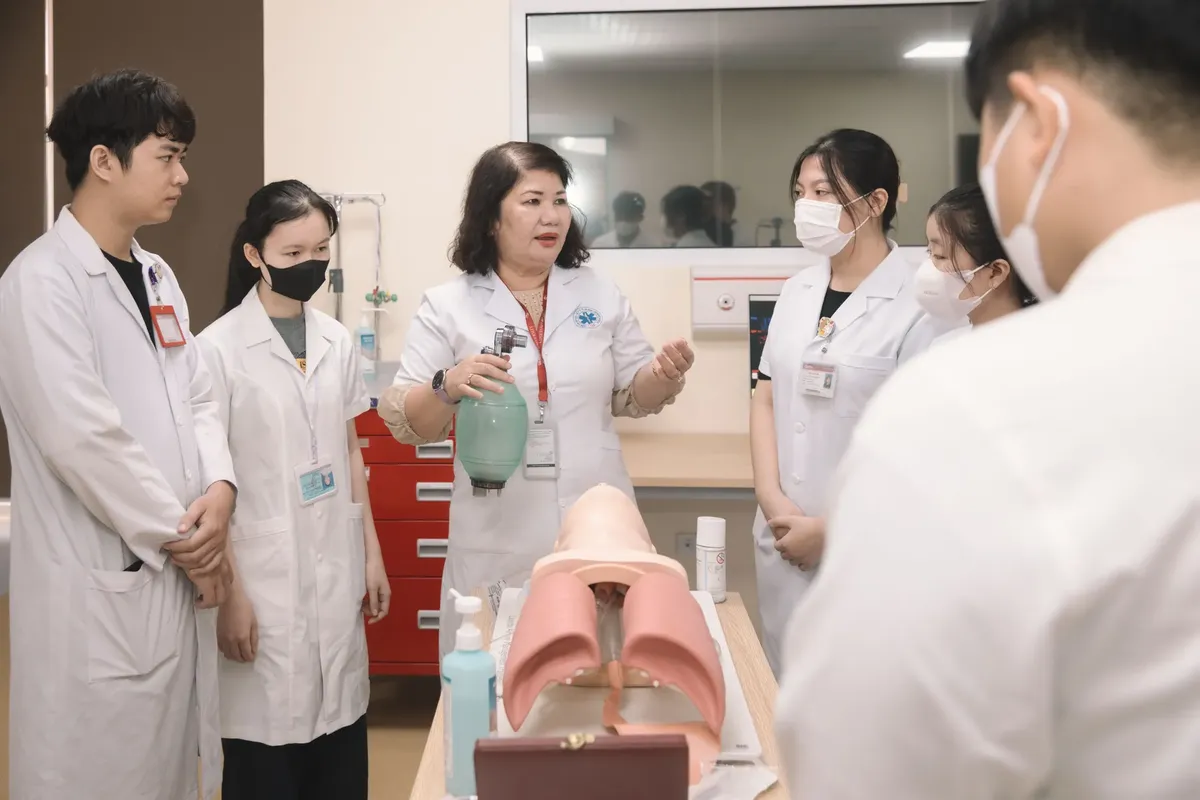
For example, the Still University School of Osteopathic Medicine ATSU-SOMA model incorporates training at partner Community Health Center (CHC) sites to integrate clinical practice with community needs. Through this lens, health education history shows a move toward integrated community care.
The ability to manage disease requires a foundation of well-trained professionals who understand social determinants. Research into the history of medical learning suggests that as educational models evolved, they began to address the intersection of individual health and societal stability.
This shift ensures that medical training remains relevant to the changing needs of the public.
What role does research play in health systems?
Late at night in the quiet lab, he stares at the glowing screen and feels the weight of how medical research informs the strength of our health systems.
An analyst reviews data on global health expenditures, noting how different nations allocate funds to manage disease. The research role in health systems is vital for identifying where funding gaps exist and how policy can bridge them.
Academic study of public health often examines how different nations manage the balance between state intervention and social needs.
According to the Russell Sage Foundation (2007), disease prevention is often viewed as a form of social change within the United States, France, Great Britain, and Canada. This research helps policymakers understand the relationship between the state, society, and health outcomes.

Effective medical research public health strategies rely on understanding historical trends in mortality and morbidity. By studying how previous generations responded to health crises, modern researchers can better predict and prepare for future challenges.
This continuous loop of study and application strengthens the resilience of global health infrastructures.
How do legislative changes impact health education public health?
A lawmaker reviews a draft of a new health bill, considering how it will affect insurance coverage for millions. The intersection of law and medicine creates the environment in which medical education public health strategies are implemented.
Legislative actions can fundamentally alter the landscape of healthcare access and training requirements. For instance, in 2010, the Obama Administration passed the Affordable Care Act, a program designed to enable wider health insurance for lower-income families.
Such policies create a new reality for medical professionals who must train to serve a more diverse and insured population.
The impact of such laws extends to how medical schools prepare students for the practicalities of insurance and community health. When laws expand access, the demand for primary care and community-based training increases.
This necessitates a shift in how medical curricula are designed to meet the needs of a broader demographic.
How do institutions manage public health crises?
An official at a command center monitors real-time data during a sudden outbreak, coordinating a rapid response. The training impact on health systems is often most visible during periods of crisis when institutional strength is tested.
Strong institutions provide the structure necessary to implement health policies and manage emergencies.

For example, Taiwan's public health system is supported by strong institutions like the Taiwan Centers for Disease Control (CDC) and the Central Epidemic Command Center (CECC), which were created following the 2002–2004 SARS outbreak.
These organizations ensure that medical knowledge is translated into actionable public health responses.
The presence of such institutions allows for a more organized approach to disease surveillance and response. When specialized centers are established in response to specific threats, they provide a permanent framework for managing future risks.
This institutional memory is a critical component of long-term public health stability.
How does global funding affect health outcomes?
A diplomat discusses international aid packages intended to bolster health infrastructure in developing regions. Understanding the economic dimensions of health is essential for evaluating the success of global health initiatives.
Global health aid and domestic spending represent different but interconnected facets of the public health landscape. In 2009, health aid from the OECD amounted to $12.47 billion, which accounted for 11.4% of its total bilateral aid.
This level of international support reflects the global commitment to addressing health disparities through structured financial assistance.
| Funding Type | Amount/Percentage |
|---|---|
| OECD 2009 Health Aid | $12.47 billion |
| OECD 2009 % of Total Bilateral Aid | 11.4% |
Domestic spending also plays a crucial role in shaping the health of a nation. In recent years, public and private funding combined accounted for 6.1–6.5% of GDP, which is below the OECD average of over 9%.
These variations in spending reflect the different economic priorities and health models adopted by various nations.
What are the limits of current health models?
A student compares different healthcare models, noting the disparities in access and quality across different regions. Recognizing the limitations of existing frameworks is the first step toward meaningful reform.

While much has been achieved, current health models face significant challenges regarding equity and resource distribution. The variation in GDP spending highlights how economic capacity can limit the effectiveness of public health initiatives.
A limitation of comparing these models is that domestic spending levels are often influenced by unique national economic structures, making direct comparisons difficult.
The effectiveness of health systems is also limited by the speed at which educational and legislative frameworks can adapt to new threats. While institutions like the CDC provide stability, they must constantly evolve to meet emerging biological and social challenges.
Continuous improvement in both training and policy remains necessary to address these ongoing limitations.
- How has the history of medical learning shaped modern systems?
- What role does research play in health systems?
- How do legislative changes impact health education public health?
Related







Comments 0