Digital health standards global access guide for better care
"The success of providing care depends on collaboration, empathy and shared decision making."
Digital health standards global access begins with unifying disparate data into cohesive systems to bridge the gap between rising patient needs and a shrinking workforce.
By establishing international norms, the medical community can mitigate the impact of a projected 4.3 million healthcare worker shortage while managing the rising costs of chronic illness.
Key takeaways include the importance of global strategy, the role of regulatory frameworks in reducing physician inefficiency, and the necessity of addressing the digital divide.
How does digital health standards global access improve service?
In the quiet clinic at dawn, a doctor taps a screen to feel the sudden relief of seamless digital data flow.
A physician sits at a workstation, navigating through layers of fragmented patient data to find a single lab result. This struggle reflects the inefficiency that standardizing digital health aims to solve.
The implementation of unified protocols helps reduce the administrative burden on clinicians. According to the World Health Organization, there was an estimated worldwide shortage of 4.3 million healthcare workers, a crisis compounded by the increasing cost to treat chronic illnesses.
By streamlining data, digital health standards global access can help optimize the remaining workforce.
The goal is to make medicine more easily adapted for each person through better data flow. Improving medical access tech requires that information moves seamlessly between different providers and devices.
This connectivity ensures that a patient's history is available at the point of care, regardless of the facility.
- Establish interoperability protocols between disparate systems.
- Synchronize data formats for seamless cross-border exchange.
- Deploy unified platforms to ensure consistent service delivery.
What role do international strategies play in health equity?
A health worker in a remote clinic uses a tablet to sync patient records with a central database, ensuring continuity of care. This connectivity is the backbone of global health strategies.
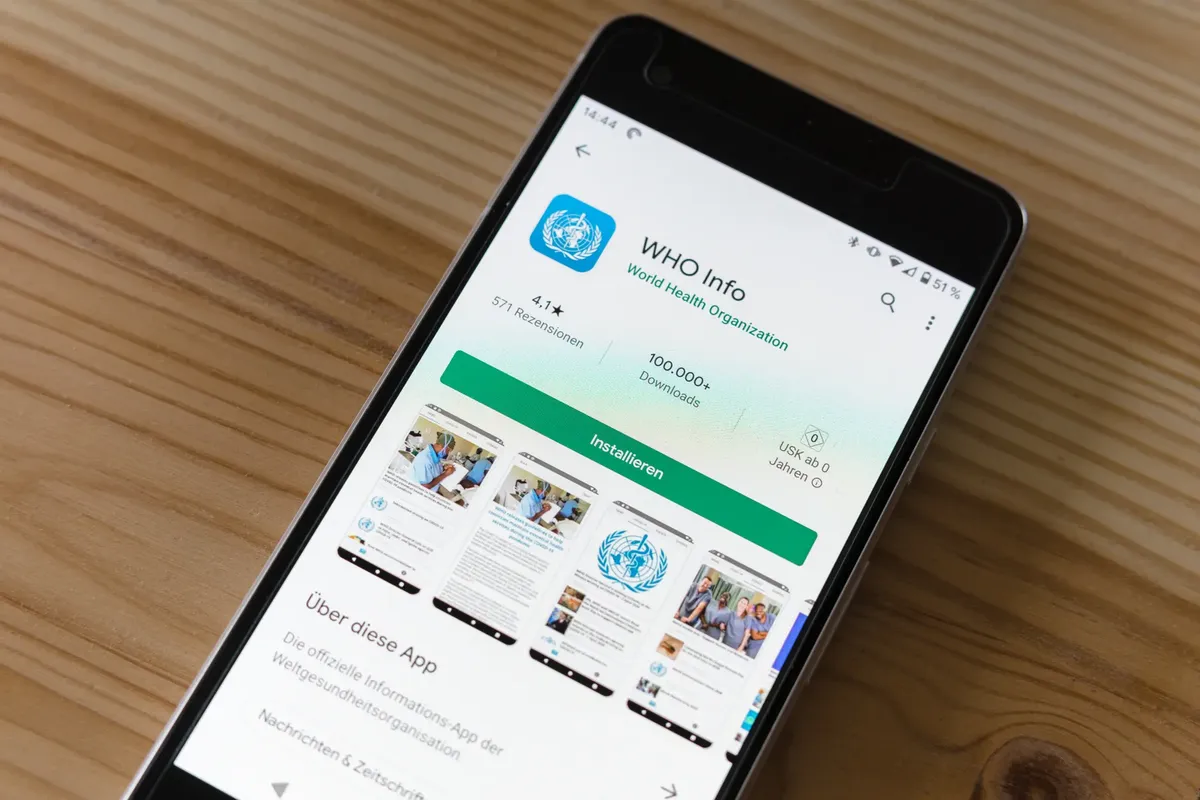
The World Health Organization passed a global strategy for digital health in May 2018 to provide a roadmap for member nations. This strategy builds upon earlier efforts, such as the 2015 plan to use digital health to combat Tuberculosis.
These frameworks aim to ensure that technological advancements benefit all populations.
Developing these frameworks helps in improving health equity standards by providing a structured approach to implementation. While the WHO pushes its strategy, other groups work to make digital health more available in communities that lack existing infrastructure.
This dual approach is essential for closing the gap between high-resource and low-resource settings.
In this sequence, the first step is the most critical.
How do regulatory frameworks impact the quality of care?
Late at night in the sterile office, a tired administrator stares at the screen while sensing the friction of a complex digital regulation.
A regulatory inspector reviews a software application to ensure it meets safety and privacy requirements before it is deployed in a hospital. This oversight is critical for maintaining trust in digital tools.

In 2019, the FDA published a Digital Health Innovation Action Plan to reduce inefficiencies for physicians and improve access and service quality. This plan was designed to help cut overhead costs and allow for more personalized medicine.
However, regulatory bodies face challenges in keeping pace with rapid innovation.
The FDA cannot regulate all healthcare apps, so they use "enforcement discretion," which meant that up until 2020, they chose not to regulate all digital care programs and apps.
Managing these tools requires careful oversight to ensure that digital health quality standards are maintained across different platforms.
Can technology address the shortage of healthcare professionals?
A nurse uses an automated system to check vitals, allowing more time to focus on direct patient interaction. Technology acts as a force multiplier in understaffed environments.
Standardization allows for better integration of tools that automate routine tasks. This can help alleviate the pressure on the global workforce. If tools are interoperable, the time spent on manual data entry decreases, allowing professionals to focus on clinical decision-making.
Digital health tools can support the workforce by providing better decision-support systems. As the number of chronic illness cases grows, the ability to manage them through technology becomes a necessity rather than a luxury.
This shift is part of a larger movement toward a more efficient, tech-enabled healthcare landscape.
How is digital health implemented in different regions?
A health administrator reviews a digital dashboard that tracks the progress of electronic health record adoption across various hospitals. This data helps guide resource allocation.
Implementation varies significantly by region, but the move toward digitization is a global trend. For example, by 2014, 75% of Canadian physicians were using electronic medical records. Such high adoption rates demonstrate the potential for digital tools to become the standard of care.
The process of adopting these technologies involves several key phases:
- Developing a national or regional digital health strategy to set clear objectives. 2. Establishing technical standards to ensure different systems can communicate. 3. Training the workforce to use new digital tools effectively in clinical settings.
A final check ensures that the technology actually meets the clinical needs of the population it serves. I observed how these steps vary when comparing different regional implementation models.
What are the limitations of digital health expansion?
A researcher looks at a data set, noting that while the technology is available, it does not cover every possible medical application. This highlights the boundaries of current digital health efforts.

While digital tools offer vast potential, they are not a universal solution for all medical challenges. For instance, the FDA's use of enforcement discretion illustrates that not all digital tools fall under standard regulatory oversight.
This creates a landscape where some apps may lack the rigorous testing applied to traditional medical devices.
The reach of digital health is also limited by the digital divide. While the WHO develops strategies, the availability of technology in underserved communities remains a significant hurdle. This means that the benefits of digital health are not yet universally accessible to all populations.
The same subject is also called Global health tech standards.
The same subject is also called International health tech norms.
This part also covers Standardizing digital healthcare.
This part also covers Tech impact on global care.
Standardizing digital healthcare
Related








Comments 0