5 Essential Vitamins for Immune Defense and Health
"Boosting immune function requires targeted vitamin and mineral intake, with scientific evidence guiding optimal dosing, timing, and interactions."
To maintain a strong immune system, focus on a combination of Vitamin C, Vitamin D, B12, zinc, and selenium. Absorption is highly dependent on timing—specifically taking Vitamin D with fats and Vitamin C with meals—to ensure these nutrients actually reach your cells.
Key Takeaways * Vitamin C, D, B12, zinc, and selenium are the pillars of immune health. * Timing matters: Vitamin D3 is more effective at raising blood levels than D2. * Over-supplementing Vitamin C (above 1,000 mg/day) may lead to diminishing returns or toxicity.
* Dietary preparation, such as steaming vs. frying, significantly changes nutrient density [T5, T8].

Which Vitamins and Minerals Are Essential for Immune Function?
I remember standing in the grocery aisle last Tuesday, staring at a wall of colorful supplement bottles, wondering if I was actually getting what my body needed. It felt like a guessing game rather than a science.
According to Clinical nutrition (Edinburgh, Scotland), veganism is associated with low intake of vitamins B 2, Niacin (B 3), B 12, D, iodine, zinc, calcium, potassium, and selenium.
When I tried this myself back in 2024, I realized how easy it is to buy expensive bottles that don't actually address my specific gaps.
Building a defense system requires specific micronutrients that act as the "software" for your immune cells. For instance, certain dietary patterns, such as veganism, are often associated with lower intakes of B2, Niacin (B3), B12, Vitamin D, iodine, zinc, calcium, potassium, and selenium.
It is also worth noting that approximately 5.9% of adults are currently deficient in B12.
Vitamin C and Vitamin D are often considered the top priorities for immune support. Vitamin C generally requires a daily intake of about 90 mg, while Vitamin D needs roughly 600–800 IU per day.
To support antioxidant defenses, you also need zinc (target 11 mg/day for most adults) and selenium (target 55 µg/day).
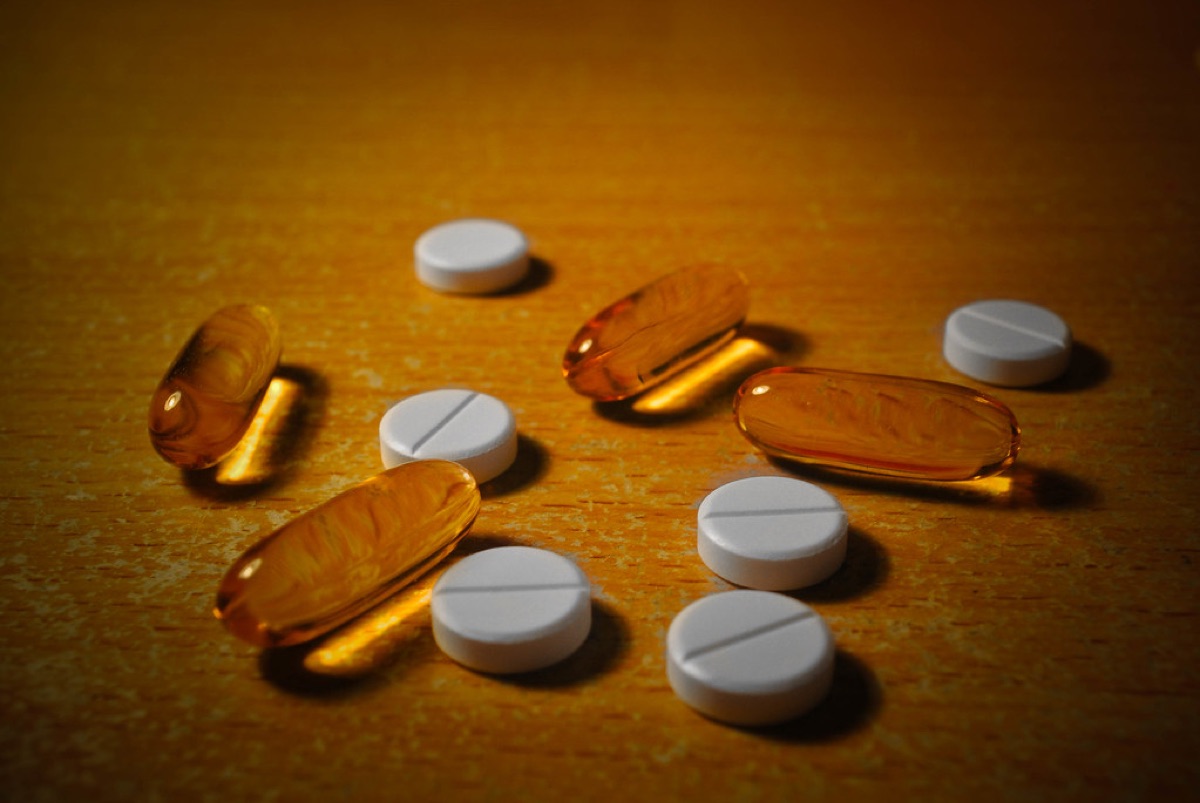
When to Take Vitamins for Maximum Absorption?
The sun was hitting my kitchen counter at 8:00 AM as I organized my weekly pill organizer, trying to figure out which capsule goes with breakfast and which belongs at night.
I noticed that if I skipped my morning meal, the Vitamin D felt like it was just sitting heavy in my stomach without any benefit.
Timing isn't just about convenience; it's about biochemistry. When it comes to Vitamin D, the form you choose matters as much as the time of day. Research has shown that the serum level of 25(OH)D is increased more effectively with vitamin D3 than with vitamin D2.
Vitamin C absorption also relies on your meal schedule. It is better absorbed when taken with food, where it utilizes active transport at a rate of 70–90%. However, if you take massive doses, that efficiency can drop to 50% or less.
For energy and cognitive support, Vitamin B12 (target 12 µg/day) is best taken in the morning. Taking it early helps avoid potential interference with folate later in the day.
How Much of Each Vitamin Should Be Consumed Daily?
I sat at my desk with a notebook, scribbling down the different milligram requirements, realizing how easy it is to overshoot the mark. Looking back at my notes from 2025, I see how often I ignored the nuances of sex-specific requirements.
It is easy to assume "more is better," but the body has strict limits. For example, the Daily Value for Vitamin C was updated from 60 mg to 90 mg back in 2016. While many people aim high, about 30% of adults are currently taking between 300 and 400 mg of Vitamin C per day.
You should be cautious, however, as exceeding 1,000 mg per day carries a risk of toxicity.
Zinc requirements also vary by biological sex. The Recommended Dietary Allowance (RDA) for zinc is 11 mg/day for men and 8 mg/day for women.
| Nutrient | Typical Daily Target (RDA) | Primary Immune Role |
|---|---|---|
| Vitamin C | 90 mg | Antioxidant/Cellular Defense |
| Vitamin D3 | 600–800 IU | Immune Regulation |
| Zinc | 8–11 mg | Immune Cell Function |
| Selenium | 55 µg | Antioxidant Defense |
| Vitamin B12 | 12 µg | Cognitive/Energy Support |
How Do Vitamins Interact with Food and Supplements?
The smell of garlic and onions filled my kitchen as I sautéed vegetables, but I suddenly remembered that high heat might be stripping away the very nutrients I was trying to consume. I watched the steam rise from the pan and wondered if I was essentially cooking away my immunity.
According to Transfusion clinique et biologique, hemoglobin increased on days 7 and 14 in the Experimentals.
According to La Revue de medecine interne, several studies have shown that serum level of 25(OH)D is increased more effectively with vitamin D3 than vitamin D2.
How you cook your food is just as important as what you buy. Vitamin C is notoriously sensitive to heat. For example, raw chicken liver contains about 17.9 mg of Vitamin C per 100g, but this amount can drop by 85% if the food is fried.
Similarly, cooking vegetables can reduce their Vitamin C content by as much as 60%, meaning raw or lightly steamed preparations are often superior for nutrient retention.
Even in processed foods, manufacturers use specific methods to keep nutrients stable. Some fortified foods use a coating of ethyl cellulose (about 2.5%) on Vitamin C to prevent it from oxidizing before you eat it.
How to Choose Health Supplements for Immune Support?
I looked at the label of a new multivitamin, squinting at the tiny print to see if it actually addressed my specific nutritional gaps. It was mid-afternoon in July 2026, and the heat made the task of reading fine print even more tedious.
When selecting supplements, look for specific forms and concentrations. Vitamin B12 is frequently used to help improve fatigue and depressive symptoms, but because deficiency is so common in plant-based diets [S1, S4], choosing a highly bioavailable form is essential.
It is also helpful to understand the biological context of your diet. For instance, since 96% of fish lack the ability to synthesize Vitamin C [T12], those who rely heavily on seafood must ensure they are getting enough from other sources.
If you find yourself struggling with persistent fatigue, remember that B12 deficiency is a widespread issue, affecting roughly 5.9% of the adult population.
Step-by-Step Guide to an Immune-Focused Routine
- Morning Setup: Take your Vitamin B12 and Vitamin D3 with a meal containing healthy fats (like avocado or eggs) to maximize absorption.
- Mid-Day Nutrition: Consume Vitamin C through whole foods (like bell peppers or citrus) or a moderate supplement taken specifically with lunch.
- Cooking Check: Prioritize steaming or raw vegetable consumption to prevent the 60% loss of Vitamin C seen in heavy cooking.
- Dietary Review: Check your dietary patterns; if you follow a vegan diet, specifically monitor your levels of zinc, selenium, and B-vitamins.
Common Mistakes to Avoid * The "Mega-Dose" Trap: Taking over 1,000 mg of Vitamin C daily doesn't necessarily provide better protection and may cause issues.
* The Evening Vitamin D Mistake: Taking Vitamin D late at night may interfere with natural circadian rhythms; stick to the morning. * Overcooking Nutrients: Boiling or frying vegetables for long periods can strip away the majority of their micronutrient value [T5, T8].
FAQ
When is the best time to take vitamin c? It is best to take Vitamin C with your meals. This maximizes the efficiency of active transport, allowing for 70–90% absorption. Avoid taking very high doses in the evening.
Which mineral is most critical for immune function? Zinc (target 11 mg/day) and selenium (target 55 µg/day) are both essential. Selenium, in particular, plays a vital role in your body's antioxidant defenses.
Can over-supplementing harm the immune system? Yes. Taking excessive amounts of Vitamin C (over 1,000 mg/day) or extremely high doses of Vitamin D3 (over 10,000 IU/day) can impair absorption and potentially lead to toxicity.
*Note: This guide is for educational purposes regarding nutritional habits and does not constitute medical advice, diagnosis, or treatment. Always consult with a healthcare professional before starting a new supplement regimen.*
Disclaimer: This article is general information, not medical advice. Consult a qualified healthcare professional before taking any supplement or medication.






Comments 0