5 sleep checklist for health: How to start day well sleep
"Rest is not an indulgence, but a biological necessity that fuels our daily existence."
A comprehensive 5 sleep checklist for health can transform your energy levels by addressing duration, consistency, and environmental factors. This guide helps you identify sleep deficits, offers ways to improve sleep quality now, and provides a better sleep habits guide for long-term wellness.
You will learn about current sleep statistics, how to manage rest, and the limitations of specific interventions.
How much sleep are you actually getting?
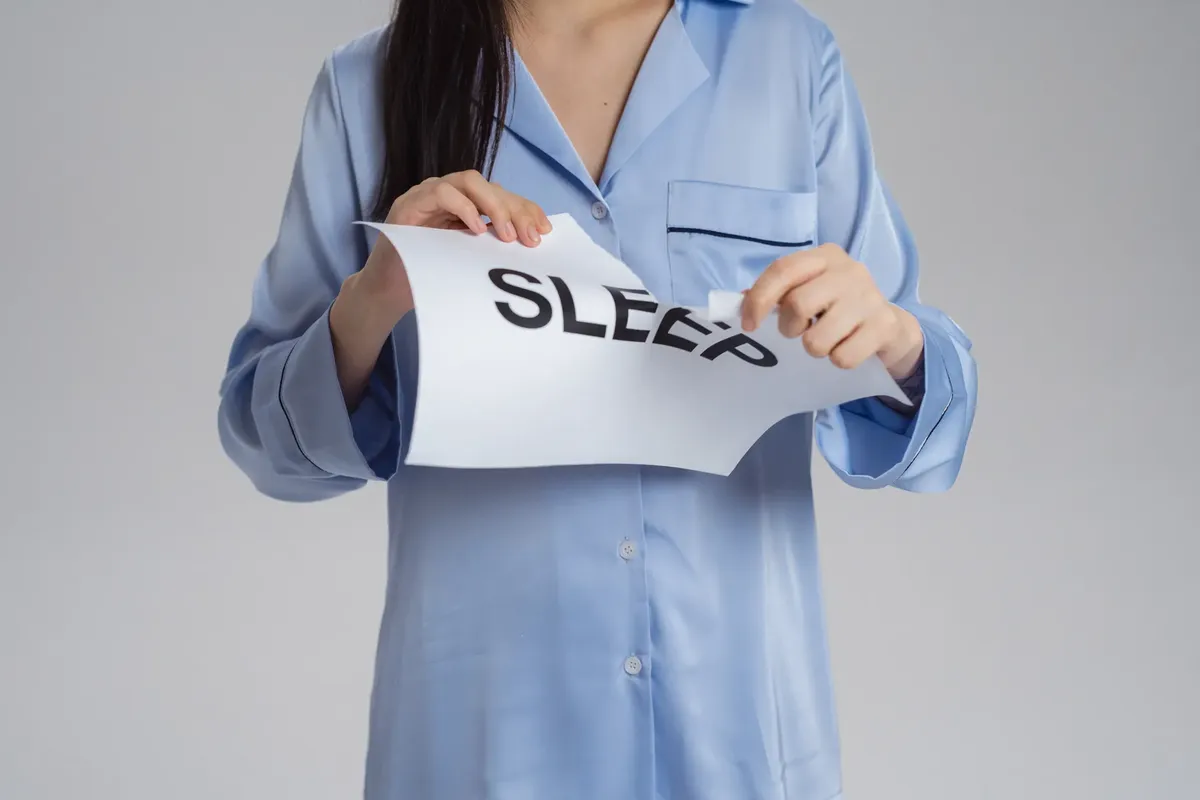
At midnight in the dark bedroom, I stare at the ceiling and wonder if my restless tossing means I am getting enough sleep.
A quiet bedroom at midnight serves as the starting point for evaluating your nightly rest. Understanding your current status is the first step in any sleep pattern check list.
According to the Sleep Foundation, about 46% of people receive less than 6 hours of uninterrupted sleep. This statistic highlights a significant portion of the population struggling with fragmented rest. Recognizing this gap is essential for anyone trying to establish a more stable routine.
The lack of uninterrupted rest often leads to daytime fatigue and reduced focus. Many people realize they are part of this 46% only after attempting to change their habits. Addressing this deficit requires looking closely at why sleep is being interrupted.
Track your actual time asleep rather than just the time spent in bed to understand your true sleep debt.
Why is sleep deprivation so common? 5 sleep checklist for health
Walking through a bright office in the morning can feel difficult when exhaustion sets in. Understanding the scale of the problem provides context for why sleep management for beginners is so vital.
The National Sleep Foundation estimates that 60% of adults in the United States are not getting enough sleep. This widespread issue suggests that many individuals are operating under a constant state of sleep debt. This trend makes it difficult to maintain peak physical and mental performance.
The prevalence of sleep insufficiency means that many people are fighting uphill battles every day. If you feel tired, you are likely part of a large group facing these same challenges. Identifying these patterns is the first step toward reclaiming your health.
Modern lifestyle factors, such as constant screen use and irregular work schedules, frequently disrupt natural sleep cycles.
How can you improve sleep quality now?
Setting a soft lamp on a nightstand creates the perfect environment for transitioning to rest. Developing a routine is a key part of how to start day well sleep-wise by ensuring the night is productive.
One way to address sleep quality is through environmental adjustments. For certain groups, specific sensory inputs can lead to better results.
For instance, research published in Medicine (2024) indicates that aromatherapy improves sleep quality in older adults, with single-use lavender, non-inhalation aromatherapy, lasting less than 4 weeks being particularly effective.
This specific intervention shows that sensory changes can impact the ease of falling asleep. While results may vary by age and individual sensitivity, it is a practical tool to consider. Using such methods can help bridge the gap between being awake and falling into deep sleep.
- Dim the lights in your living space an hour before bed.
- Avoid heavy meals or caffeine in the late evening.
- Establish a consistent wind-down routine to signal sleep readiness.
What role does metabolism play during rest?

Lying still in a dark room allows the body to focus on essential internal functions. Even while you are motionless, your body is working hard to maintain vital processes. According to Biotech Information The National Center, in most people, the basal metabolic rate accounts for approximately 80%.
In most people, the basal metabolic rate accounts for approximately 80% of energy expenditure while sleeping, according to the National Library of Medicine. This means that a significant portion of your daily calorie use happens while you are unconscious.
Efficient sleep is therefore critical for metabolic health.
Understanding that the body remains active helps reframe sleep as a period of high physiological activity. It is not merely downtime, but a period of essential regulation. Ensuring you have enough energy for these processes is a fundamental part of health.
The body uses sleep to regulate hormone levels that control hunger and energy expenditure.
How to manage sleep habits for the long term?
A morning sunbeam hitting the face can signal the start of a new cycle. Consistency is the foundation of any lasting change in how we rest.
To build a sustainable routine, follow these steps:
- Establish a consistent bedtime and wake-up time to regulate your internal clock. 2. Create a wind-down period that minimizes light exposure and physical stimulation. 3. Monitor your sleep duration to ensure you are hitting necessary targets.
I found that checking these three steps helped me identify where my routine was breaking down. A final check of your environment and schedule ensures that these habits stick.
| Metric | Data Point |
|---|---|
| People with < 6 hours uninterrupted sleep | 46% |
| U.S. adults not getting enough sleep | 60% |
The limitation of using aromatherapy is that its effectiveness in the cited study was specifically noted for older adults over a period of less than 4 weeks.
Maintain a consistent wake-up time every day, even on weekends, to stabilize your internal clock.
The same subject is also called daily sleep routine tips.
This part also covers quick sleep problem solutions.
how to start day well sleep
Related
- Sleep myths debunked guide: 60% of adults lack enough sleep
- Weight management tips: Healthy morning first steps guide
What are the limitations of aromatherapy for sleep?
One limitation is that the effectiveness of lavender aromatherapy was specifically observed in older adults. The study in Medicine (2024) noted that these results were tied to a specific demographic and a timeframe of less than 4 weeks.
Therefore, these findings might not apply to all age groups or long-term usage.
When considering sensory interventions, one must exercise caution regarding the scope of the research. The effectiveness of single-use, non-inhalation lavender was limited to a specific duration and population.
Comparing these results to universal sleep solutions requires understanding these specific conditions.
If you are looking for a way to manage sleep, remember that rest is a biological necessity rather than an indulgence. While aromatherapy may assist certain individuals, it is a specific tool with defined parameters.
Always consider the context of the research when evaluating how to improve your sleep quality.
While scents can create a relaxing atmosphere, they are a sensory tool rather than a cure for clinical sleep disorders.








Comments 0