Tips: Personalized health routine tips guide for body mind
"A routine is not a rigid cage, but a flexible framework designed to support the unique needs of an individual's body and mind."
Creating a personalized health routine requires balancing physical activity, nutritional stability, and mental resilience. This guide focuses on how to build sustainable habits through small, incremental changes.
Key takeaways include prioritizing consistency over intensity, tailoring habits to life stages, and tracking mental health indicators to prevent burnout.
How to start a personalized health routine?
At dawn in the silent kitchen, she grips a cool glass of water while contemplating her new personalized goals.
A person stands in a quiet kitchen, holding a glass of water as the morning sun hits the countertop. Building a routine begins with identifying current energy levels and daily constraints to ensure the plan is actually executable.
Effective personalized health routine tips start with assessment. You must evaluate your current sleep quality, activity levels, and stress triggers before adding new tasks. A common mistake is attempting to overhaul every habit simultaneously, which often leads to rapid fatigue.
Instead of drastic changes, focus on one area at a time, such as sleep hygiene or meal timing. This gradual approach allows the body to adapt without triggering a stress response. By starting small, you build the psychological momentum necessary for long-term adherence.
- Assess your current lifestyle and energy levels.
- Set small, achievable goals based on your unique needs.
- Gradually integrate new habits into your existing schedule.
What are the best ways to manage daily stress? Personalized health routine tips
A professional sits at a desk, taking a deep breath while looking at a cluttered calendar. Managing stress requires recognizing when external pressures begin to impact internal stability.
Effective ways to manage daily stress include scheduled downtime and breathing exercises. For many, incorporating short walks or mindfulness breaks into the workday helps reset the nervous system. These moments prevent the accumulation of tension throughout the day.

Custom health plan ideas often involve distinguishing between acute stress and chronic burnout. It is vital to listen to physical cues like tension headaches or disrupted sleep. Addressing these signs early helps maintain a stable baseline for your overall wellness.
In this sequence, the second step is the most important.
How can I improve sleep quality now?
In the dark bedroom at midnight, he pulls the soft duvet tight to settle into his personalized rest.
A person adjusts a pillow in a dimly lit bedroom, seeking the perfect position for rest. Improving sleep is often the foundation upon which all other health habits are built.
Tailored wellness routine strategies for sleep involve regulating light exposure and temperature. Creating a dark, cool environment signals to the brain that it is time to transition into rest mode. Consistency in wake-up times is equally important for regulating the circadian rhythm.
Avoid heavy meals or intense exercise immediately before bed, as these can disrupt sleep onset. Instead, engage in low-stimulation activities like reading or light stretching. Establishing these cues helps the body transition naturally from wakefulness to sleep.
What are some individual health habits for nutrition?
A person prepares a colorful salad at a wooden dining table, carefully chopping fresh vegetables. Nutrition should be viewed as fuel tailored to specific energy requirements and metabolic needs.

Individual health habits focus on nutrient density and satiety. Rather than following restrictive diets, aim to include a variety of whole foods that support energy stability. This prevents the blood sugar crashes that often lead to fatigue and cravings.
One method is to practice mindful eating, which involves paying attention to hunger and fullness cues. This helps prevent overeating and fosters a better relationship with food. A balanced approach ensures you meet nutritional needs without unnecessary restriction.
How to maintain an effective exercise routine?
An individual ties their running shoes, preparing to step out into the cool morning air. Physical activity must be scaled to fit the current physical condition and lifestyle of the individual.
The best exercise routine for me depends on my current energy levels and schedule. On high-energy days, more intense workouts may be appropriate, while lower-energy days call for active recovery. This flexibility prevents injury and keeps the habit sustainable.
A reliable way to stay active is to find movements that you enjoy. Whether it is walking, swimming, or strength training, the best exercise is the one you will actually perform consistently. Movement should supplement your life, not become an additional source of overwhelming stress.
How to manage mental health within a routine?
A person sits quietly on a park bench, observing the movement of leaves in the wind. Mental health is an integral part of a holistic health routine and requires its own set of tools.
According to Verhandelingen - Koninklijke Academie voor Genee, annually, 2 million girls are at risk of being circumcised.
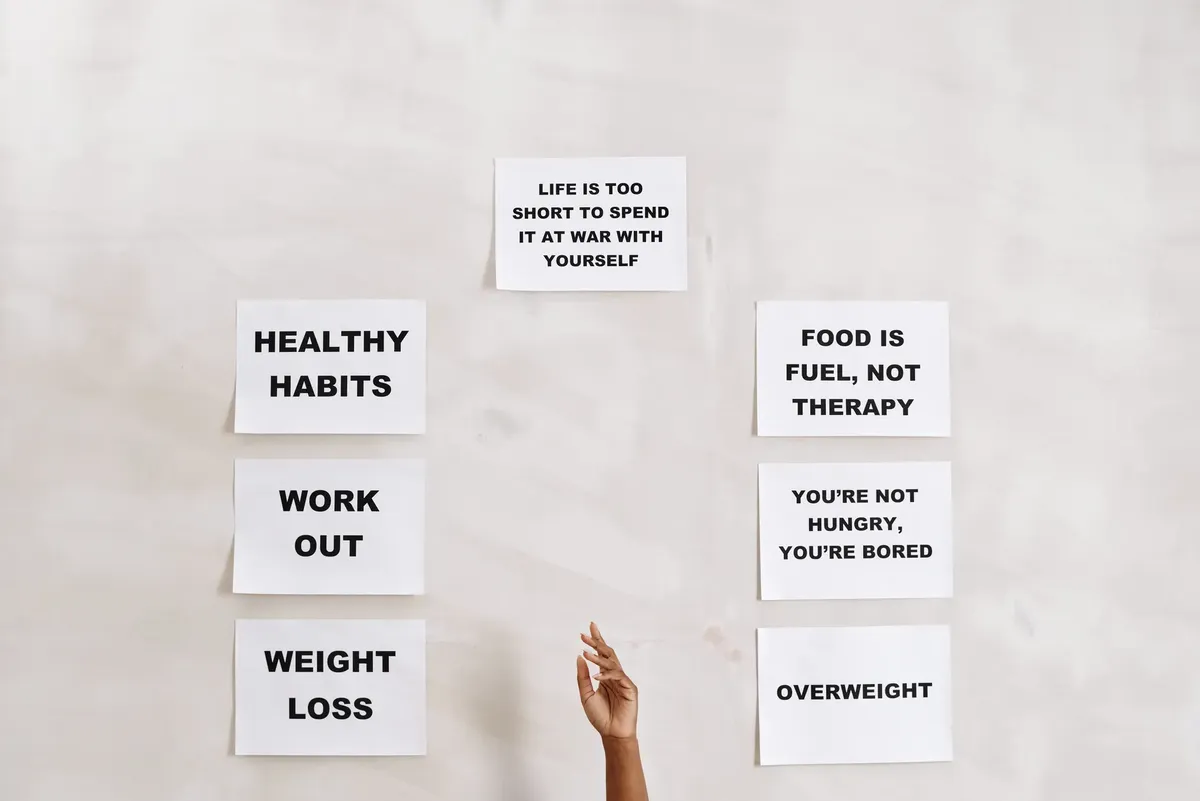
According to JAMA network open, the study aimed to determine whether messages delivered by physicians improve COVID-19 knowledge and preventive behaviors and to assess the differential effectiveness of messages tailored to the Black community.
Improving sleep quality now often goes hand-in-hand with mental clarity. When mental health is neglected, physical routines often fall apart. It is essential to integrate emotional check-ins to monitor how your routine is affecting your mood.
A limitation of any routine is that it cannot account for sudden physiological or psychological changes that require professional medical intervention.
The same subject is also called My perfect health plan.
This part also covers How to manage daily stress.
Related








Comments 0