Health Definition: 3 Pillars of Complete Well-being
"Is health merely the absence of disease, or is it a proactive state of complete well-being?"
The World Health Organization (WHO) defines health as a state of complete physical, mental, and social well-being, rather than just the absence of infirmity. This means true wellness requires balancing your body, your mind, and your community.
* The WHO defines health as a state of complete physical, mental, and social well-being, not just the absence of illness. * Modern health science bridges the gap between theoretical definitions and actionable lifestyle habits. * True wellness is a dynamic equilibrium maintained through consistent daily routines in sleep, movement, and nutrition. * Understanding the global context helps individuals prioritize personal habits that prevent environmental and systemic health risks.

What is the true definition of "Complete Health"?
Standing in a brightly lit clinic at 10:00 AM after a year of feeling "fine," you receive a clean bill of health from a doctor. You walk to your car feeling successful because you aren't sick, yet you still feel sluggish, stressed, and disconnected.
For decades, the medical model focused on fixing sickness—treating the broken bone or the viral infection. This reactive approach viewed health as a binary: you were either sick or you were well.
However, the shift toward a "wellness model" recognizes that being "not sick" is not the same as being healthy.
The WHO definition is revolutionary because it includes "social well-being." This means your relationships, your sense of belonging, and your environment are just as vital to your health as your cholesterol levels.
This is the concept of "Holistic Equilibrium." If your physical health is strong but your mental health is crumbling due to isolation, you are not in a state of complete health.
The individual's role is to build the foundation. While global policies set the stage, your personal habits—what you eat, how you move, and how you rest—are the bricks that build your personal health reality.
How do organizations like the WHO shape our health reality?
Sitting at a desk in a crowded city at 2:00 PM, you might feel the weight of poor air quality or the hum of urban noise. You might eat perfectly and exercise daily, but the environment around you is actively working against your biology.
Global organizations like the WHO do more than just issue guidelines; they shape the standards that dictate our living environments. Their work influences public health-policy, which in turn affects the quality of the air we breathe and the food we consume. The scale of these challenges is massive.
For instance, the WHO estimates that 12.6 million people died as a result of living or working in an unhealthy environment in 2012, which accounted for nearly 1 in 4 total global deaths.
These statistics show that health is often systemic. When international guidelines are set, they eventually trickle down into the "lifestyle guides" used by professionals. Understanding these global trends helps us realize that personal health is often a response to the world we inhabit.
By understanding the risks—like environmental hazards—we can better prepare our personal defenses.
Why is Health Science (like OHSU) vital for daily habits?
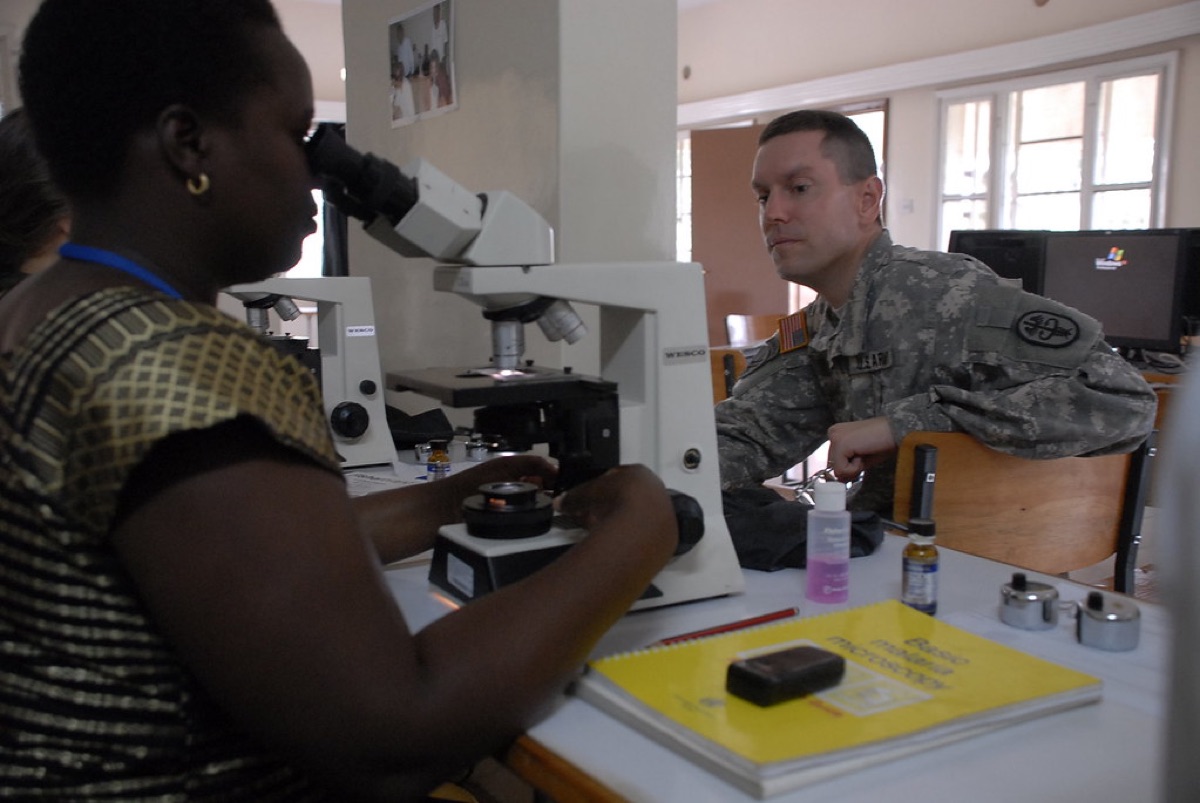
A researcher in a lab at Oregon Health and Science University (OHSU) peers through a microscope at 3:00 PM, looking at cellular responses to stress. This work might seem far removed from your decision to take a walk after dinner, but it is the very foundation of your lifestyle.
Research institutions are the bridge between abstract definitions and concrete actions. While the WHO provides the vision, institutions like OHSU provide the validation.
They take complex biological data—how sleep affects hormones or how fiber affects the gut microbiome—and translate it into "actionable habits."
When I first started looking into cellular biology to fix my own energy levels, I realized that wellness isn't about willpower; it is about biology. Without health science, wellness would be nothing more than a collection of trends and fads.
We follow the science to ensure that the diet we choose or the exercise routine we adopt is actually doing what we think it is doing.
Clinical research informs the prevention of chronic diseases, allowing us to move from "treating symptoms" to "modifying lifestyle" before the disease ever takes hold. This evidence-based approach is what turns a vague goal into a measurable reality.

How to build a "Complete Health" routine from scratch
Standing in your kitchen at 6:00 AM on a Tuesday, the sunlight hits the countertop as you decide whether to reach for a sugary cereal or a bowl of oats. This moment is the start of your routine.
Building a complete health routine requires a layered approach. You cannot build the roof before the foundation.
- Establishing the Circadian Rhythm: Prioritize sleep hygiene. Go to bed and wake up at the same time every day to regulate your internal clock.
- Functional Movement: Don't just "work out." Integrate movement into your life. If you work at a desk, use a standing desk or take walking meetings to combat sedentary habits.
- Nutritional Literacy: Move beyond simple calorie counting. Focus on nutrient density—aiming for whole foods that provide vitamins, minerals, and fiber.
- Mental Resilience: Manage the stress-cortisol loop. Practice mindfulness or deep breathing to prevent chronic stress from hijacking your physical health.
- Social Connection: Schedule time for community. Human connection is a biological necessity that supports longevity.
| Pillar | Focus Area | Primary Goal |
|---|---|---|
| Physical | Movement & Nutrition | Structural integrity and energy |
| Mental | Stress & Sleep | Cognitive function and emotional stability |
| Social | Connection & Environment | Longevity and purpose |
Common Pitfalls: Why "Healthy Habits" often fail
Hitting the gym for two hours on a Monday morning, you feel invincible, but by Wednesday afternoon, you are too exhausted to even cook a healthy meal. This cycle of intensity followed by collapse is the most common reason people fail.
The "All-or-Nothing" Trap is the enemy of progress. Many people believe that if they can't do a perfect 60-minute workout, the day is a waste. This perfectionism leads to burnout. Another pitfall is ignoring the mental-physical link. You cannot "out-train" a highly stressed, sleep-deprived mind.
If your mental health is neglected, your physical efforts will eventually hit a wall.
Consistency beats intensity every single time. A 20-minute walk every day is significantly better for your long-term health than a marathon once a month. Finally, do not misinterpret wellness as a luxury.
It is not a reward for being successful; it is the fundamental necessity that allows you to be successful.





Comments 0