Space efficiency for health: Guide to better well-being
"The environment we inhabit dictates the energy we expend and the clarity we maintain."
This guide outlines how optimizing living and working areas can enhance physical and mental well-being through streamlined routines.
How does space efficiency for health impact daily living?
At dawn, I stumble through the cramped bedroom, tripping over heavy boxes that leave no space for morning stretches.
This physical barrier forces a person to navigate obstacles, which can lead to fatigue and mental distraction.
Optimizing a room's layout can turn a cramped area into a functional wellness zone. By removing unnecessary items, the available square footage becomes more usable for stretching or walking. This transition from chaos to order helps maintain a sense of control over one's immediate surroundings.
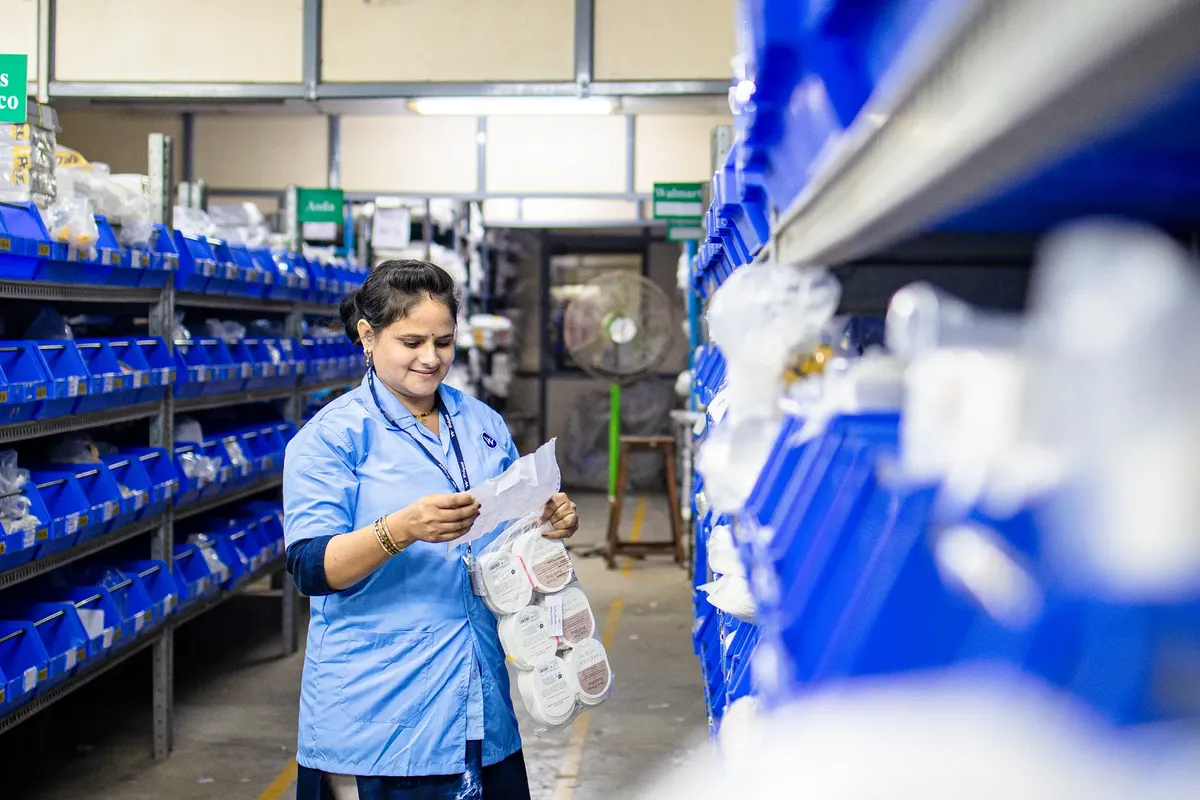
The goal is to transform a static environment into one that supports movement. When every object has a designated place, the mental friction of searching for items disappears. This clarity allows for more consistent focus on health-related habits.
Efficiently organized environments reduce the friction of daily tasks, allowing you to focus energy on wellness rather than managing clutter.
Can decluttering for less stress improve mental clarity?
In the quiet office, I sweep the dusty papers into a bin to reveal a clean space that feels light against my tired eyes.
Someone clears a desk, moving old notebooks and tangled wires into a storage bin to reveal a clean surface. The sudden openness of the desk provides a sense of relief and a fresh start for the workday.
Removing clutter directly impacts the psychological state of the inhabitant. A tidy space reduces the visual stimuli that often lead to sensory overload or anxiety. When the eyes find nothing to distract them, the brain can focus more easily on the task at hand.
Effective space management serves as a foundation for mental stability. Reducing the number of items in a living area prevents the feeling of being overwhelmed by one's own belongings. A streamlined environment acts as a buffer against the stresses of daily life.
Removing visual noise helps quiet the mind, making it easier to focus on the present moment and reduce cognitive load.
How can we optimize space wellness for better movement?
An individual moves a chair to the corner of the room to make space for a yoga mat. The extra room allows for a full range of motion without the fear of hitting furniture.

Optimizing space wellness means designing a room to encourage physical activity. Instead of letting a corner gather dust, it can be used for a standing desk or a small exercise station. This makes it easier to integrate short bursts of activity into a daily routine.
A well-planned layout prevents sedentary habits caused by cramped quarters. By ensuring there is enough clearance for movement, the environment invites the user to stay active. Small adjustments to furniture placement can significantly increase the usability of a room.
- Clear floor paths to prevent tripping hazards and allow for easy stretching. 2. Arrange furniture to create dedicated zones for physical activity. 3. Keep essential fitness equipment within reach to encourage spontaneous movement.
What are the best compact living fitness strategies?
A person uses a small, sturdy bench to perform seated exercises in a narrow hallway. The versatile piece of furniture serves as both seating and a workout tool.
Compact living fitness focuses on using multifunctional objects to maintain an active lifestyle in smaller homes. Utilizing vertical space for storage or selecting items that serve multiple purposes keeps the floor clear for movement.
This approach ensures that a lack of space does not become an excuse for inactivity.
Integrating fitness into a small footprint requires creativity. Using lightweight or foldable equipment allows for easy setup and storage. This flexibility ensures that the environment adapts to the user's needs rather than limiting them.
Utilize multi-functional equipment and bodyweight exercises that require minimal floor space to maintain a consistent routine.
How do daily routine space hacks support long-term wellness?
A person prepares their workout clothes and water bottle on a clean table the night before. This simple preparation ensures that the morning routine is seamless and ready to go.
Daily routine space hacks involve setting up the environment to support healthy habits automatically. For example, placing a water bottle in a visible, easy-to-reach spot encourages hydration. Placing fitness gear in a central location serves as a visual cue to exercise.
These small, repeatable actions build momentum over time. By reducing the number of steps required to start a healthy habit, the environment becomes a partner in wellness. Consistency is easier to maintain when the space is already prepared for success.
Establishing permanent spots for healthy habits, such as a designated hydration station or a sleep-ready environment, automates positive behaviors.
Small space health guide: applying organization to life
Applying these principles involves assessing the current state of a living or working area and making targeted adjustments.
- Identify high-traffic zones and clear them of all non-essential objects to allow for easy passage. 2. Categorize items into "daily use" and "storage" to ensure that only necessary objects occupy active space. 3. Repurpose existing furniture to serve dual purposes, such as using a coffee table for both relaxation and light stretching.
After making these changes, check if the new layout allows for natural movement without obstruction. I found that clearing the floor space immediately made my morning stretching routine much more enjoyable.
A limitation of these strategies is that they cannot fully compensate for extremely cramped or structurally inadequate living conditions where physical movement is naturally restricted.
Treating your living space as a tool for health requires intentionality, where every organized corner serves to support your physical and mental well-being.
Wikipedia: Space industry Based on the retained excerpt mentioning OECD: In 2005, OECD countries budgeted around US$45 billion for space-related activities; income from space-derived products and services has been estimated at US$110–120 billion in 2006 (worldwide).

Wikipedia: Department of Government Efficiency Based on the retained excerpt mentioning Social Security Administration: Their bigger targets remain the Treasury (USDT), the Social Security Administration (SSA), and Health and Human Services (HHS): spendings by HHS amount to 31%, by SSA to 16%, and by USDT to 15% of the federal budget—almost two thirds of all government expenses.
- Effective space efficiency for health involves organizing physical environments to reduce stress and promote active movement.
- Key takeaways include the importance of decluttering to reduce cognitive load, creating movement-friendly layouts, and maintaining organized systems to prevent burnout.
- A person stands in a cluttered room, stepping over piles of paper and unused equipment to reach a window.
Related
- Sleep debt Morning tips for sleep debt 46% lack rest
- Increase indoor activity levels: 1.8 billion adults at risk
How does the environment we inhabit influence our habits? 1. The environment dictates the energy we expend, which affects how much physical energy we have available for exercise. 2. The clarity we maintain is directly related to the organization of the space we inhabit. 3. A well-organized environment supports the consistent focus needed for health-related habits.
Maintaining a streamlined environment acts as a buffer against the stresses of daily life, which in turn conserves mental energy. When the physical space is orderly, the mental effort required to manage surroundings decreases.
This reduction in cognitive load allows for greater reserves of energy for self-care activities.
Optimizing the environment allows the physical space to actively support movement rather than passively impede it. This supportive quality encourages the user to engage in activities that promote well-being within the space they inhabit.
The relationship between the environment and personal energy levels is therefore symbiotic.





Comments 0