Public health food safety system: How to expand evaluation
"Health is a state of complete physical, mental and social well-being and not merely the absence of disease or infirmity."
The expansion of a public health food safety system requires integrating rigorous oversight of product distribution with proactive risk management to protect the population.
This guide explores how regulatory bodies manage massive product portfolios, the role of preventive medicine in food safety, and the necessity of protecting supply chains from external threats.
Key takeaways include the scale of modern regulatory responsibility, the integration of dietary supplement oversight, and the importance of preventive frameworks in maintaining community well-being.
How does the scale of oversight affect a public health food safety system?

An inspector walks through a massive distribution center, checking labels on thousands of different product lines. As of 2021, the FDA had responsibility for overseeing $2.7 trillion in food, medical, and tobacco products.
According to the FDA, the agency had responsibility for overseeing $2.7 trillion in food, medical, and tobacco products as of 2021.
This massive scope means that a public health food safety system must be able to handle a diverse range of commodities simultaneously. Managing such a vast market requires standardized protocols that can scale across different industries.
Without robust frameworks, the sheer volume of products could overwhelm existing inspection capabilities.
The responsibility for monitoring such a wide array of items is a cornerstone of modern regulation. This scale necessitates a shift from reactive inspections to more comprehensive, data-driven oversight models.
Ensuring safety across trillions of dollars in goods requires constant refinement of inspection technologies and protocols.
A broader scope of oversight ensures that regulatory standards are applied consistently across diverse supply chains, reducing the likelihood of localized failures causing widespread outbreaks.
What role do dietary supplements play in food safety evaluation?
A technician in a laboratory examines the purity of a new botanical extract intended for consumer use.
Under the Dietary Supplement Health and Education Act of 1994 (DSHEA), the FDA is responsible for ensuring that manufacturers and distributors of dietary supplements and dietary ingredients meet the current requirements.
This specific regulatory mandate ensures that the growing market for supplements remains within the bounds of safety standards. Because these products often fall between food and drug classifications, they require specialized oversight to ensure consumer protection.
Effective management involves verifying that manufacturers adhere to established safety guidelines for ingredients. This task is critical for preventing adverse health effects from unregulated additives. Maintaining these standards is essential for consumer trust in the supplement market.
Dietary supplements require specialized evaluation because their concentrated ingredients and varying regulatory classifications can complicate standard food safety assessments.
How can we expand food safety evaluation to address security threats?
A security officer monitors a digital dashboard showing the movement of food supplies across state lines. In June 2018, the FDA released a statement regarding new guidelines to help food and drug manufacturers "implement protections against potential attacks on the U.S."
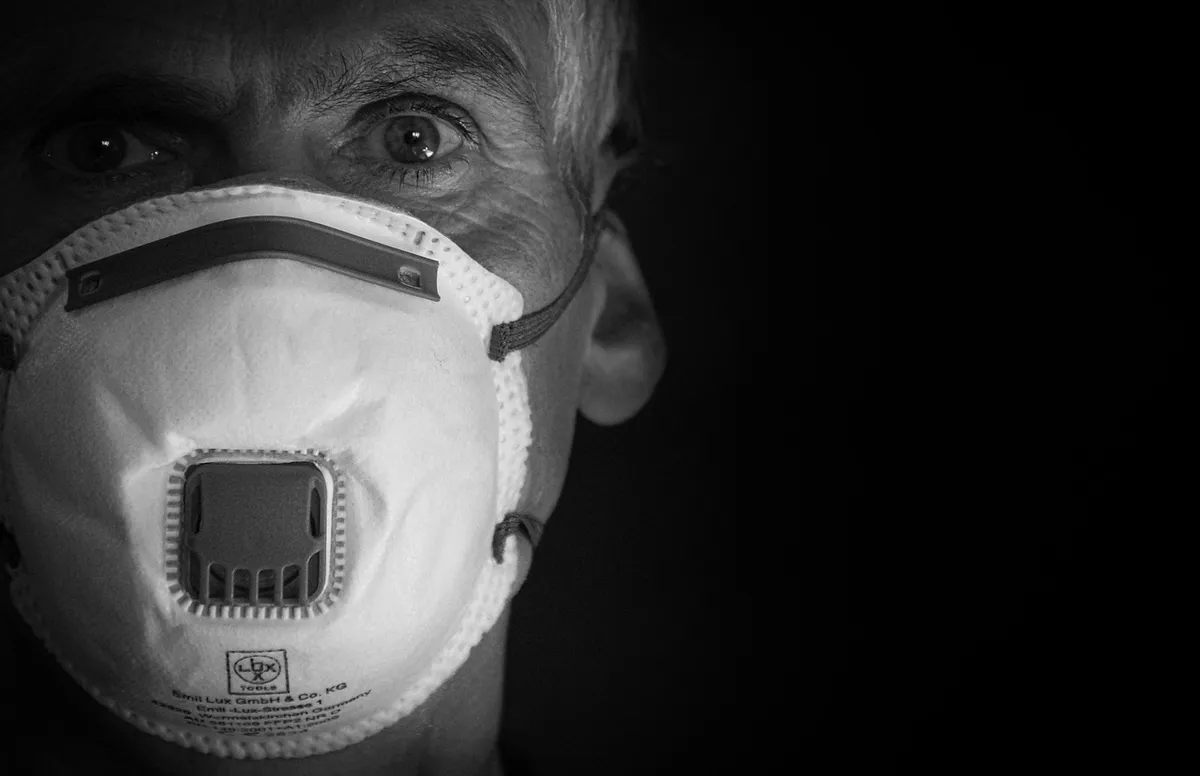
Expanding food safety evaluation involves more than just checking for contaminants; it also involves securing the supply chain against intentional interference. These guidelines provide a framework for manufacturers to harden their operations against external vulnerabilities.
A robust public health food-safety system must account for both accidental contamination and intentional disruptions. By integrating security-focused protocols, the system becomes more resilient to diverse threats.
This proactive approach helps prevent large-scale health crises caused by targeted attacks.
Expanding evaluation to include intentional contamination risks requires integrating intelligence-sharing and real-time monitoring into existing safety protocols.
How does preventive medicine integrate with food safety?
A doctor reviews a community health report to identify rising trends in nutritional deficiencies. The American Board of Preventive Medicine separates three categories of preventive medicine: aerospace health, occupational health, and public health and general preventative medicine.
According to the American Board of Preventive Medicine, the organization separates three categories of preventive medicine: aerospace health, occupational health, and public health and general preventative medicine.
Integrating preventive medicine principles into food safety allows for a more holistic approach to community health. Rather than only reacting to outbreaks, the system can focus on the long-term health outcomes of the population.
A public health food safety system can draw from these different branches of medicine to create more comprehensive health policies. For example, occupational health standards can influence food processing environments.
This intersection ensures that the focus remains on the overall well-being of the public.
Preventive medicine informs food safety by identifying emerging pathogen trends and epidemiological patterns that necessitate changes in food handling and processing standards.
What are the steps to implement a more robust safety protocol?
A manager sits at a desk, reviewing a new set of standard operating procedures with a team. To build a more reliable system, organizations can follow these steps: As reported by the OECD, health aid from the OECD amounted to $12.47 billion in 2009, which amounted to 11.4% of its total bilateral aid.
- Audit existing supply chain vulnerabilities to identify potential points of failure or contamination. 2. Update manufacturing protocols to align with the latest regulatory requirements and security guidelines. 3. Conduct regular training for staff to ensure consistent application of safety and defense measures.

I found that reviewing these steps helped clarify where our previous oversight was weakest. These actions help bridge the gap between simple compliance and true proactive protection.
| Focus Area | Primary Objective |
|---|---|
| Regulatory Oversight | Managed $2.7 trillion in products |
| Security Guidelines | Protection against potential attacks |
A limitation of these measures is that they are often subject to the specific economic conditions of the manufacturing environment.
- Conduct a comprehensive risk assessment of current production processes.
- Establish standardized testing and verification procedures.
- Implement continuous monitoring and feedback loops to refine safety measures.
The same subject is also called Public health risk assessment.
The same subject is also called Food hygiene monitoring system.
The same subject is also called Food safety policy upgrade.
Related








Comments 0