Sleep myths debunked: Why sleep matters most for health
"The greatest illusion of health is believing that a few hours of rest is sufficient to sustain a lifetime of productivity."
Many people believe that cutting sleep is a badge of honor or a way to gain efficiency, but these sleep myths debunked reality for much of the population. This guide addresses those who struggle with fatigue, explores common sleep errors explained, and provides a baseline for healthy rest.
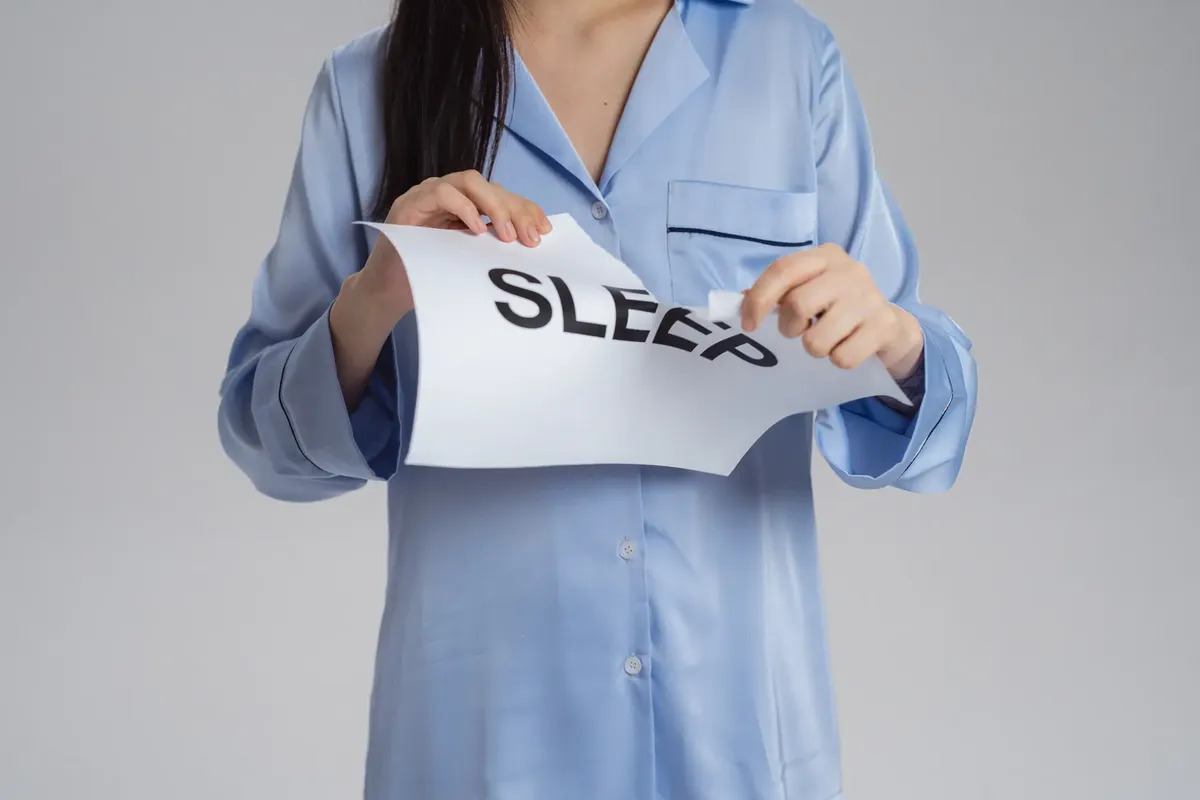
Key takeaways include understanding the risks of insufficient sleep, recognizing the gap between current habits and recommended standards, and identifying modern factors that disrupt rest.
Why sleep matters most in a busy world
The office hums with late-night energy as she rubs her tired eyes, realizing how much she sacrificed for a few hours of lost sleep.
A person stares at a glowing screen late into the night, eyes heavy but mind racing. The blue light from the monitor lingers in the room, casting a sharp glow against the bedroom walls.
The reality of sleep deprivation is widespread. According to the National Sleep Foundation, 60% of adults in the United States are not getting enough sleep. This widespread issue suggests that many people are operating under the false assumption that they can function normally on minimal rest.
The truth about sleep is often obscured by the hustle of modern life. For instance, the National Sleep Foundation cites a 1996 paper showing that college/university-aged students get an average of less than 6 hours of sleep each night.
These sleep secrets revealed through data suggest that younger populations are particularly prone to sacrificing rest for other activities.
In this sequence, the first step is the most vital.
Fixing sleep mistakes and insufficient duration Sleep myths debunked
At midnight, he tosses and turns in the quiet bedroom, feeling the heavy weight of his sleep mistakes.
A clock ticks loudly on the nightstand as a person tosses and turns, trying to find a comfortable position. The sudden silence of the room highlights the lack of restorative rest.
Understanding sleep misconceptions requires looking at the actual numbers of rest being received. According to the Sleep Foundation, about 46% of people receive less than 6 hours of uninterrupted sleep. This lack of continuity can severely impact how one feels during the day.

The sleep errors explained in various studies show that modern connectivity plays a role. A 2018 study published in the Journal of Economic Behavior and Organization found that broadband internet connection was associated with sleep deprivation.
Relying on digital devices can make it difficult to maintain a consistent schedule.
- Establish a consistent bedtime to regulate your internal clock.
- Minimize blue light exposure from screens before bed.
- Optimize your bedroom environment for darkness and coolness.
Real meaning of rest and recommended standards
A person sits at a breakfast table, rubbing tired eyes while looking at a morning schedule. The sunlight streams through the window, signaling the start of another taxing day.
Establishing a healthy baseline is the first step toward better health. The US National Sleep Foundation recommends that adults aim for 7 hours of sleep per night. Failing to meet this minimum can lead to long-term fatigue and diminished cognitive function.
Comparing current habits to these standards reveals a significant gap.
| Group Description | Reported Sleep Status |
|---|---|
| US Adults | 60% not getting enough sleep |
| General Population | 46% receive less than 6 hours of uninterrupted sleep |
I noticed that my own attempts to catch up on weekends never quite matched the steady rhythm of the recommended seven hours.
How to manage sleep deprivation in daily life
A person walks through a quiet park, feeling the cool morning air while trying to stay alert. The physical sensation of tiredness feels heavy in the limbs.
Managing sleep deprivation requires a structured approach to nightly habits.
- Set a consistent bedtime to help regulate the body's internal clock. 2. Minimize digital interruptions, such as broadband usage, before retiring for the night. 3. Aim for at least 7 hours of sleep to meet professional health recommendations.
A final check involves assessing whether the sleep is uninterrupted, as quality is just as important as quantity.
Dealing with specific sleep conditions
A person lies in bed, feeling the weight of the day's stress pressing down on them. The quiet of the room feels heavy.
If a person is already experiencing sleep deprivation, they must recognize that lifestyle factors often contribute to the problem. For those in higher education, the tendency to sleep less than 6 hours is a common struggle.
A limitation of these general observations is that individual biological needs may vary, though the 7-hour recommendation remains a standard baseline.
The subject here is Sleep myths debunked.
Related
- Tips: Personalized health routine tips guide for body mind
- Sleep: 60% adults lack sleep Beat fatigue and sleep better
What are the risks associated with the greatest illusion of health? Insufficient sleep presents risks that affect overall well-being. The lack of restorative rest can diminish cognitive function, which is a direct consequence of failing to meet recommended sleep standards. Operating under the greatest illusion of health means accepting reduced performance without recognizing the underlying cause.
This diminished function is observable in daily activities, suggesting that minimal rest compromises mental acuity. The comparison between current habits and the recommended seven hours shows a clear area for improvement in daily functioning.
Recognizing these risks is crucial for anyone seeking to bridge the gap between their current sleep patterns and the necessary healthy rest baseline.








Comments 0