Communication diet principles: Guide to cold foods 40
"Keep cold foods cold and hot foods hot to ensure safety."
Effective communication diet principles involve maintaining proper food temperatures to prevent illness and ensure the quality of shared meals. This guide covers temperature management, timing for consumption, and essential safety checks to support healthy eating habits.
Key takeaways: * Maintain cold foods at or below 40 degrees F. * Consume food within two hours if it reaches unsafe temperatures. * Adjust timing based on ambient air temperature.
How can temperature control serve as a Communication diet principles?
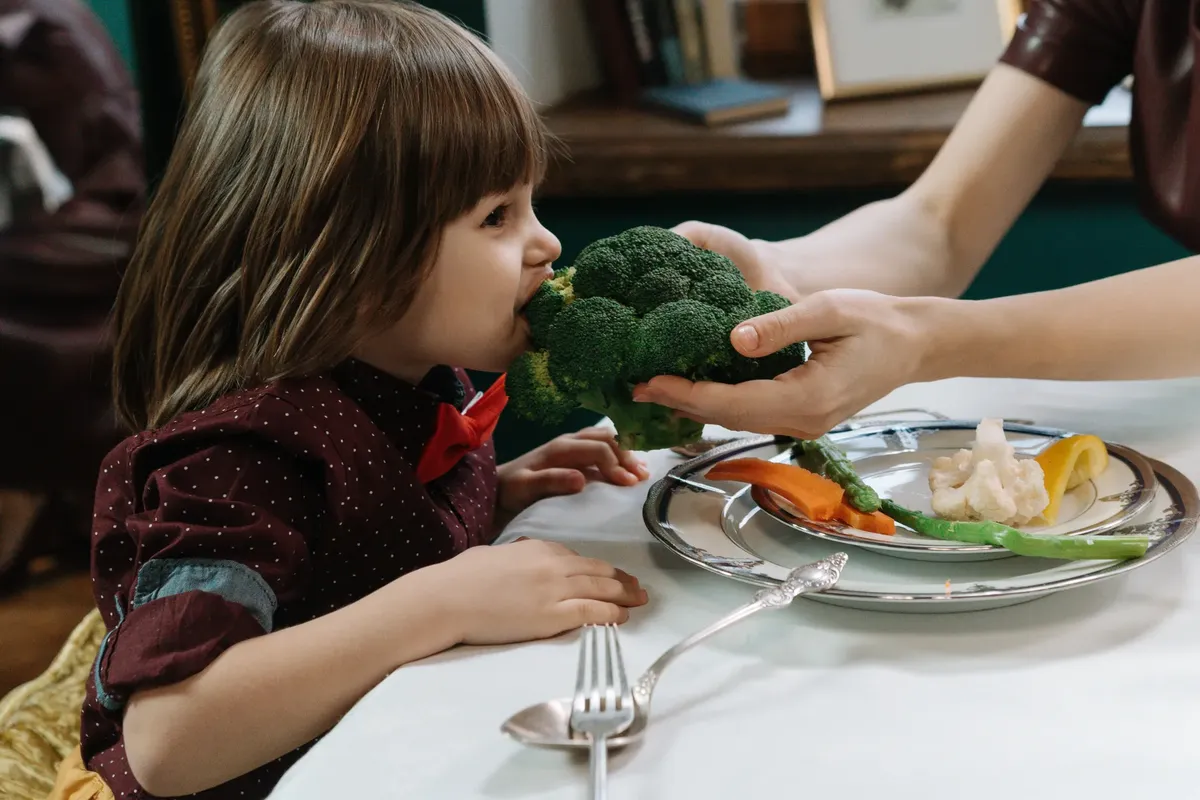
At midnight in the quiet kitchen, she adjusts the dial with a steady hand to ensure her meal remains a perfect tool for communication.
A person reaches into a refrigerator to adjust the thermostat, ensuring the environment remains stable for fresh ingredients. Maintaining a stable environment is a core part of communication diet principles because it prevents the spoakage that ruins social gatherings.
According to the CDC, healthy eating tips often involve managing the quality of your food through proper storage. Keeping cold foods at or below 40 degrees F (4 degrees C) and hot foods hot prevents the development of harmful elements.
This practice ensures that when you share a meal, the food remains safe for everyone.
When a host prepares a large spread, they must balance the heat of the oven with the chill of the ice bucket. Food-related social interactions rely on the reliability of the meal provided. If temperatures are not managed, the intended social experience can be interrupted by illness.
In this sequence, the second step is the most extensive.
What are the rules for eating food that has reached room temperature?
A diner looks at a plate of food sitting on a table, wondering how long it can safely remain out. Once a food gets warmer than the recommended storage temperature, it should be eaten within two hours. This window provides a clear guideline for managing meals during social events.
If the ambient environment is particularly warm, the timeline becomes even more restrictive. The food should be eaten within one hour if the air temperature is above 90 degrees F (32 degrees C). Following these timing rules helps prevent the symptoms caused by toxins in food.
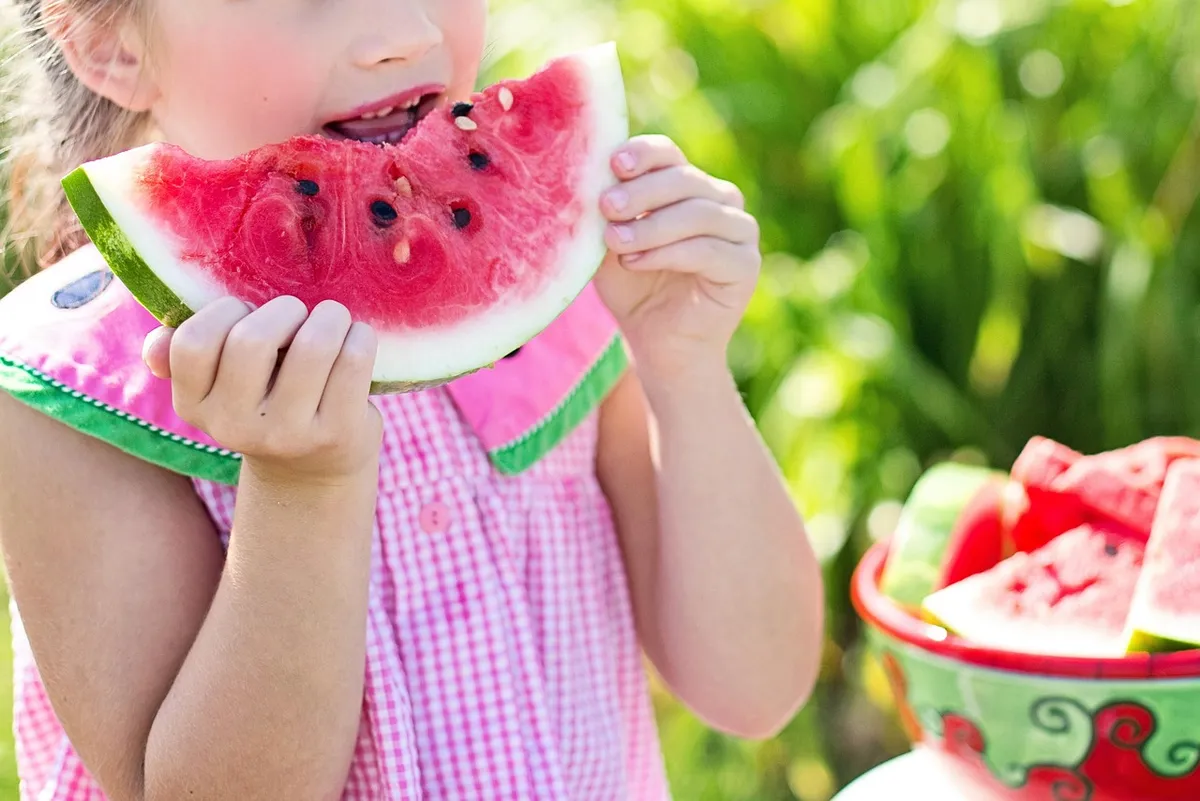
In a professional kitchen, a chef monitors the thermometer to decide when to move dishes. This careful timing is a way of practicing food for talking, where the safety of the meal allows the conversation to flow.
Without these checks, the focus shifts from the dialogue to the physical discomfort of the guests.
- Check the time elapsed since the food left refrigeration.
- Assess the texture and aroma for any signs of spoilage.
- Discard any perishable items that have sat out too long.
How do you manage food safety during a mealtime communication?
A guest sits down at a crowded table, noticing the steam rising from a large platter of hot food. Managing the transition from kitchen to table is a vital part of mealtime communication. Ensuring that food stays at the intended temperature is the first step in a successful meal.
The following steps help manage food when it is moved from storage to the table:
- Keep cold items at or below 40 degrees F (4 degrees C) until they are ready to be served. 2. Ensure hot foods are kept hot or eaten immediately after preparation. 3. Monitor the air temperature to adjust the consumption window accordingly.
I once prepared a large lunch where the air was quite warm, so I had to ensure everything was eaten quickly. This experience taught me that diet role in talk is heavily influenced by the environment. If the food is not handled correctly, the social atmosphere can change instantly.
What are the risks of improper food storage?
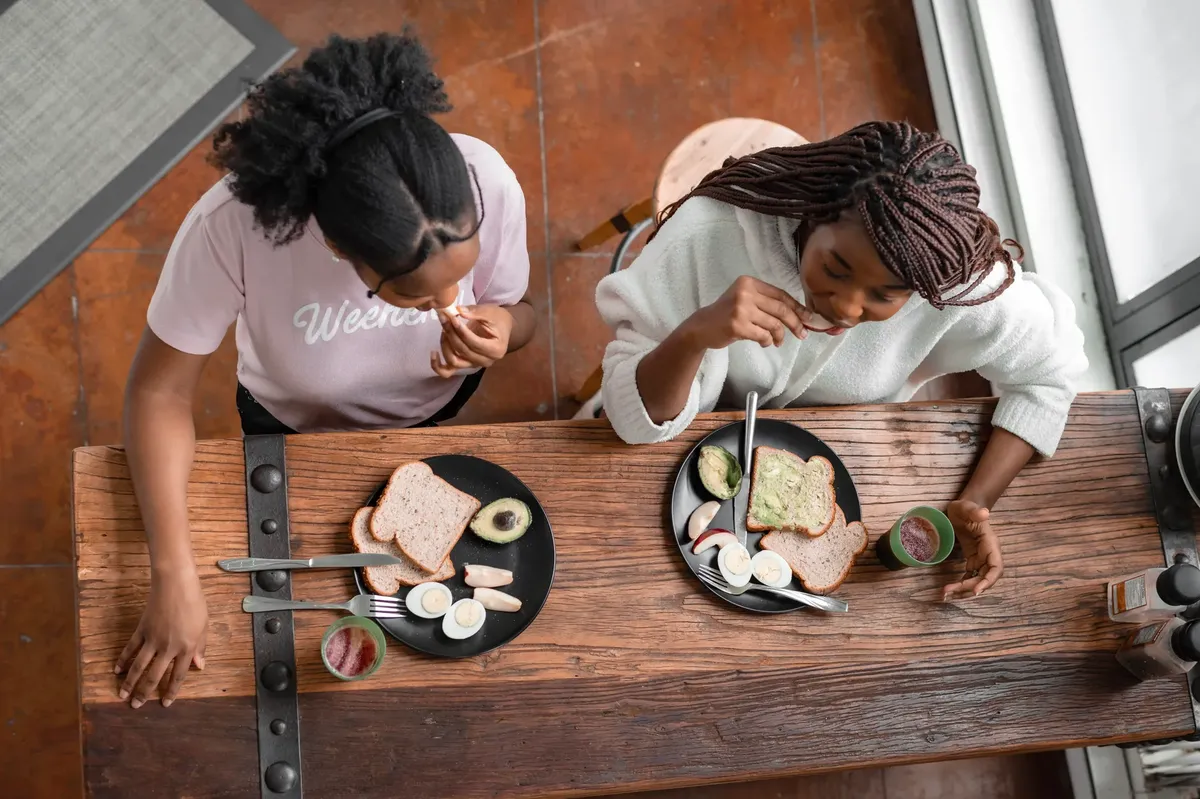
An individual opens a container and smells something slightly off, realizing they missed the safety window. A toxin can cause symptoms when food is not stored at the correct temperature. This risk is why temperature control is so critical to the success of any shared meal.
According to BMC health services research, hip fractures, psychotropic drug consumption and comorbidity in patients of a primary care practice in Spain were studied by Francisco P.
| Condition | Recommended Action |
|---|---|
| Temperature above 40 degrees F | Eat within two hours |
| Air temperature above 90 degrees F | Eat within one hour |
Using a table to compare these windows helps in planning safer social dining. It is easy to see that as the environment gets warmer, the window for safe consumption shrinks. This comparison is essential for anyone hosting a gathering.
Eating for speech requires that the food is not just edible but also safe for all attendees. If people become ill, the ability to engage in meaningful conversation is lost. Therefore, strict adherence to these temperature rules is a form of respect for the guests.
How does diet and conversation guide work in practice?
A host cleans the table after a successful dinner, feeling the relief of a meal well-managed. Integrating safety into your routine is the best way to follow a diet and conversation guide. It allows the focus to remain on the people rather than the food.
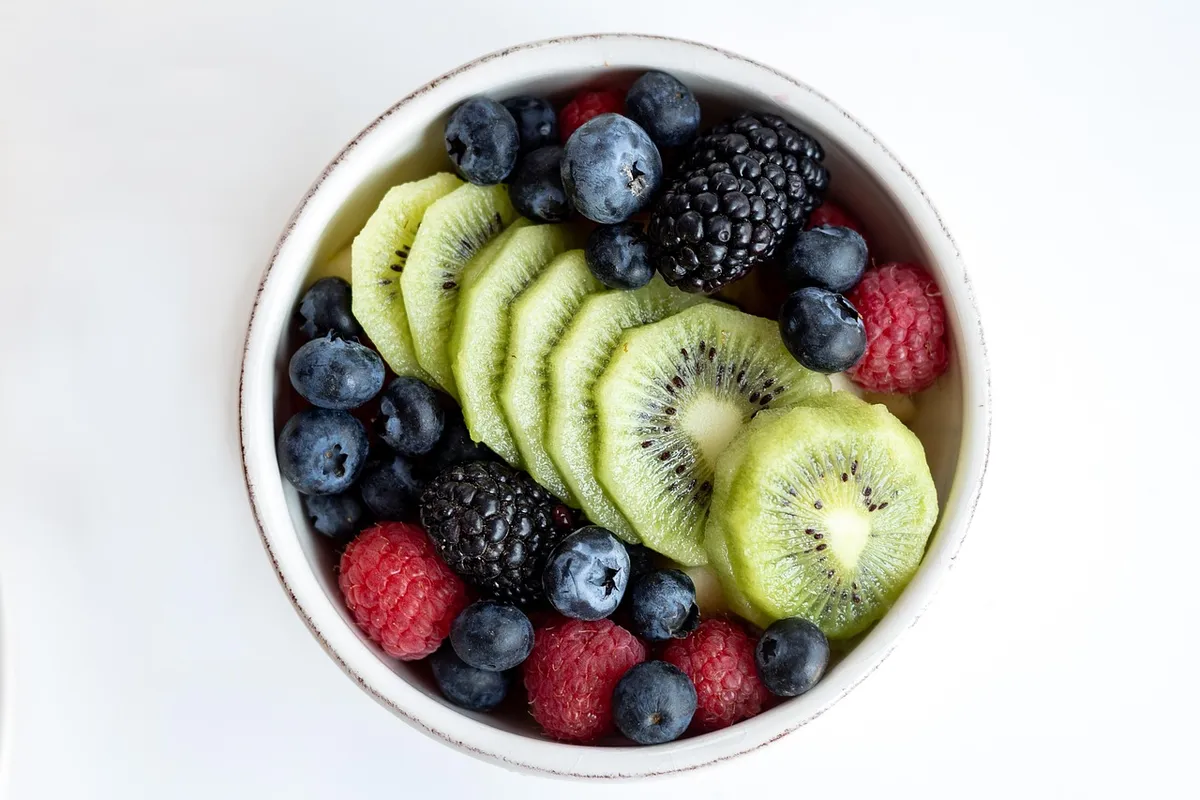
According to Nutrition research (New York, N.Y.), college student daily mean intakes of fiber (15.46 ± 3.06 grams), whole grains (0.63 ± 0.29 ounce equivalents), combined fruits and vegetables (2.38 ± 0.73 cup equivalents), and dairy (1.49 ± 0.53 cup equivalents) were lower than U.S.
The primary goal is to prevent the symptoms that toxins can cause. By keeping cold foods cold and hot foods hot, you minimize the risk of these issues. This proactive approach ensures that the meal serves its purpose as a social catalyst.
A limitation of these rules is that they apply to standard food storage; they may not account for specific specialized ingredients that require different handling.
This part also covers Daily communication diet tips.
This part also covers How food aids talking.
Related
- Sleep and exercise balance tips: Aim for 7 hours sleep
- Protein Post workout diet tips for muscle repair guide
When should I keep cold foods cold during transport? When transporting food, the same principles apply to maintain safety. Keeping cold foods cold during transit prevents temperature abuse before they even reach the serving location. This precaution is necessary because the travel time introduces an uncontrolled variable to the temperature management plan.
Maintaining cold foods cold during transport requires insulated carriers to slow the rate of temperature change. This method supports the overall goal of preventing spoilage, which is a key component of communication diet principles.
Proper handling during movement ensures the meal remains a positive social experience.
How does the ambient temperature affect the 'Keep' guidelines? The ambient air temperature dictates the urgency of consumption after food leaves its safe storage. If the air temperature is high, the time allowed for food to remain out decreases significantly. This comparison highlights the dynamic nature of food safety protocols in social settings.
When the air temperature rises, the rate at which food reaches unsafe temperatures accelerates. Therefore, the guideline to keep cold foods cold becomes more critical when the surrounding environment is warm. This conditional adjustment ensures that the meal remains safe for everyone present.






Comments 0