Daily routine for fatigue recovery: Manage energy levels
"The process of managing daily energy requires a structured approach to prevent the sudden crashes that follow physical or mental exertion."
A daily routine for fatigue recovery involves managing activity levels to prevent post-exertional symptoms and maintaining consistent management habits. This guide covers understanding fatigue triggers, managing activity to avoid crashes, and recognizing diagnostic criteria.
Key takeaways include the importance of pacing, the timing of post-exertional symptoms, and the role of infection in triggering fatigue.
How can a daily routine for fatigue recovery help manage energy?

In the quiet morning light of the kitchen, she slowly stirs her tea while sketching out her daily schedule to protect her limited strength.
A person sits at a wooden desk, carefully scheduling tasks to avoid overextension. Managing energy requires understanding how activity affects the body over time.
Effective routine management is often tied to executive function improvements. According to Children (Basel, Switzerland) (2023), children's score changes in EF accounted for 37% of the variance in their improved routine management.
Developing these skills helps in balancing tasks to prevent exhaustion.
A consistent daily routine for fatigue recovery helps individuals navigate the complexities of fluctuating energy levels. By planning tasks around known energy peaks, one can better manage the physical toll of daily life.
- Establish a consistent sleep-wake cycle to stabilize circadian rhythms.
- Schedule periods of complete rest throughout the day to prevent energy depletion.
- Balance physical activity with restorative downtime to avoid overexertion.
How can I tell if I have post-exertional fatigue?
At dusk in the dim living room, she collapses onto the velvet sofa while feeling the heavy weight of exhaustion settling into her bones after her daily walk. An individual stands in a quiet room, feeling the sudden onset of exhaustion after a brief walk. They check the clock to see how much time has passed since their activity.
Post-exertional malaise (PEM) is a significant factor in fatigue management. PEM usually starts 12 to 48 hours after the activity, but can also follow immediately after. This delayed reaction makes it difficult to predict when energy levels will drop.
Understanding these timing differences is vital for a fatigue recovery routine. If a crash happens much later than the activity, it requires a different approach to pacing than an immediate drop in energy.
In this sequence, the second sign is often the most debilitating.
Why am I suddenly crashing like this? A person considers their recent health history while sitting on a sofa, reflecting on a recent bout of illness. They wonder why their energy levels changed so abruptly.
Fatigue often has a clear starting point related to health events. Between 60% and 80% of cases start after an infection, which is most often viral. Identifying these triggers helps in understanding the nature of the fatigue.
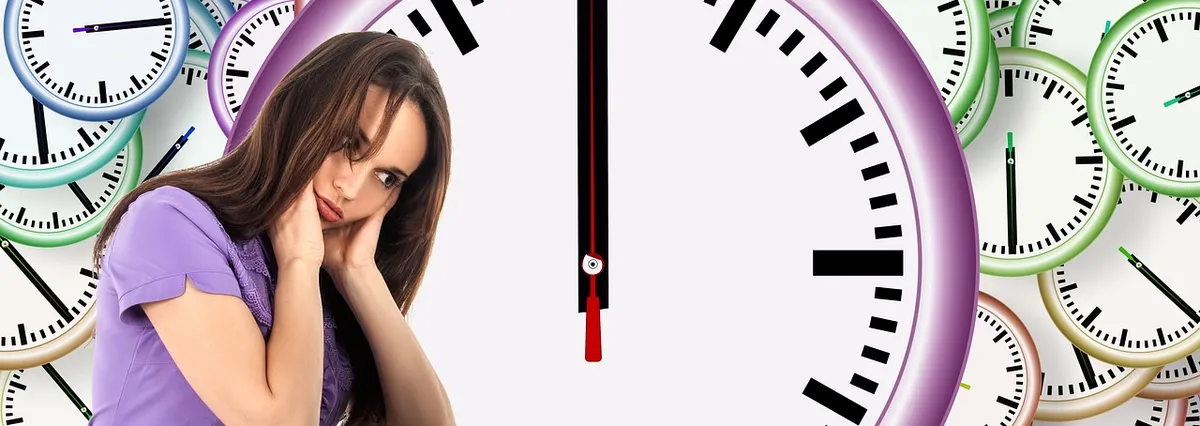
A daily energy boost tips strategy might seem difficult when dealing with post-viral symptoms. Because many cases follow an infection, the body's recovery process becomes the central focus of the routine.
How is chronic fatigue officially diagnosed?
A doctor reviews a patient's medical history, looking for specific patterns of symptoms over several months. The patient waits patiently, discussing their long-term struggles.
According to the CDC, the 1994 CDC criteria, sometimes called the Fukuda criteria, require six months of persistent or relapsing fatigue for diagnosis, as well as the persistent presence of four out of eight other symptoms.
Diagnostic criteria are specific and require long-term observation. The 1994 CDC criteria, sometimes called the Fukuda criteria, require six months of persistent or relapsing fatigue for diagnosis, as well as the persistent presence of four out of eight other symptoms.
Knowing these requirements helps distinguish between temporary tiredness and clinical conditions. This distinction is necessary for anyone seeking a structured daily routine for fatigue recovery.
What are the different names for this condition?
A researcher looks through various medical journals, noting how terminology has shifted over the decades. They mark different names in the margins of their notebook.
Medical classifications have evolved over time. In the WHO's recent classification, the ICD-11, chronic fatigue syndrome and myalgic encephalomyelitis are named under post-viral fatigue syndrome. This reflects the understanding of the condition's origins.
The terminology can be confusing for those looking for how to reduce fatigue. Different names often refer to the same underlying struggle with persistent exhaustion.
How to manage daily energy through structured steps
A person prepares a meal, carefully measuring ingredients to maintain a steady energy level throughout the day. They follow a specific sequence to ensure they do not overwork themselves.
- Assess activity levels to identify what triggers PEM. 2. Schedule rest periods before symptoms begin to manifest. 3. Monitor the timing of fatigue onset after physical tasks.
A final check involves reviewing the day's activity against the onset of any symptoms. This self-assessment ensures the routine stays within safe limits.
I find that checking my energy levels after a task helps me adjust my schedule for the next day.

A limitation of these steps is that they cannot account for the individual variability of PEM, which can start anywhere from immediately to 48 hours after an activity.
Journal of wound, ostomy, and continence nursing : official publication of The Wound, Ostomy and Continence Nurses Society (2016) Based on the retained excerpt mentioning Journal of Wound, Ostomy, and Continence Nursing: However, the occurrence of skin tears per 1000 occupied beds was 50% lower when a moisturizer applied twice daily was compared to usual care.
The same subject is also called Beat tiredness daily.
This part also covers Best pre-sleep habits.
This part also covers Post-sleep recovery drinks.
Best pre-sleep habits
Related
- Morning stress relief guide: Nutritious breakfast tips
- 7 hour sleep routine guide: How to improve sleep quality
When does the process of managing energy become most critical? The process of managing energy becomes most critical when symptoms begin to manifest, as this signals the need for immediate adjustment to the routine. Recognizing the timing of fatigue onset after physical tasks allows for proactive intervention in the daily management of energy. This awareness helps individuals prevent the escalation of post-exertional symptoms.
What are the conditions that complicate the process of managing energy? Individual variability presents a condition that complicates the process of managing energy because PEM can initiate at any point following an activity. This unpredictable timing contrasts with the structured nature of the proposed routine. Furthermore, the persistence of symptoms over months necessitates adherence to specific diagnostic criteria for proper management.
The comparison between immediate and delayed PEM reactions dictates the pacing strategy employed in the routine. An immediate drop requires a different management approach than a crash occurring days later. This distinction is key to effective energy management.
Adhering to the diagnostic criteria helps confirm if the fatigue warrants a detailed, structured approach to managing energy. These established standards differentiate clinical fatigue from normal tiredness, guiding the severity of the necessary routine adjustments.







Comments 0