Sleep Quality: Why 18-22°C Room Temperature Matters
"Sleep is not just downtime; it is the essential period for your body to rebuild itself for tomorrow."
To achieve deep, restorative sleep, you must master your bedroom environment by controlling light, temperature, humidity, and sound. Creating a sanctuary of total darkness and a slightly cool atmosphere is the fastest way to improve your sleep quality.
* Temperature: A slightly cool room helps induce deeper sleep. * Light: Total darkness promotes natural melatonin production. * Humidity: Maintaining proper moisture prevents respiratory discomfort. * Sound: Consistent white noise or total silence prevents sudden wakefulness.

Why does your bedroom environment dictate sleep quality?
At 11:00 PM, you lie in bed, but your eyes are wide open and your mind is racing with thoughts. The room feels slightly too warm, and a sliver of light from a streetlamp pierces through the gap in your curtains, irritating your senses.
Your sleep environment is directly linked to your biological rhythms. According to Nature reviews.
Endocrinology (2023), "Insufficient sleep and circadian misalignment predispose individuals to poor metabolic health and promote weight gain and have received increased research attention in the past 10 years".
This means poor sleep is more than just feeling tired; it is a fundamental threat to your metabolic health.
Furthermore, quality sleep is a tool for physical performance.
According to the International journal of sports medicine (2019), "Sleep extension can positively affect reaction times, mood, sprint times, tennis serve accuracy, swim turns, kick stroke efficiency, and increased free throw and 3-point accuracy".
In short, building a proper sleep environment is like laying the foundation for your physical abilities and metabolic stability. As of 2026, we recognize that the bedroom is not just a place to lie down, but a critical zone for transitioning the brain into sleep mode.
As of 2025, the focus on optimizing sensory inputs in the bedroom has become a central part of modern wellness routines.
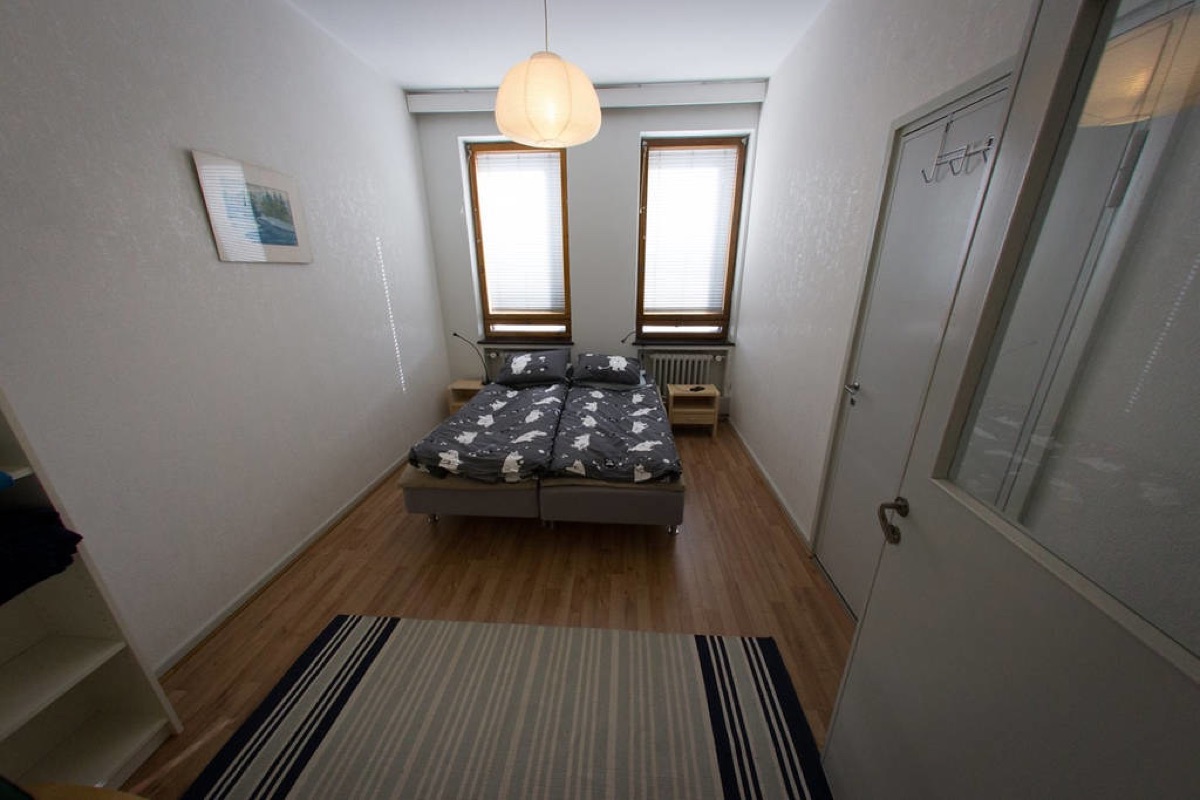
What are the four pillars of an optimal sleep environment?
At 2:00 AM, you wake up because the air in the room feels too dry, leaving your throat feeling scratchy. The direct draft from the air conditioner makes your skin feel chilled, causing you to curl up tightly under the covers.
To optimize your environment, you need to manage four specific elements: light, temperature, humidity, and sound.
1. Light Control: Creating Total Darkness Light is the primary disruptor of melatonin, the hormone that tells your body it is time to sleep. Even tiny amounts of light hitting your retina can trick your brain into thinking it is daytime.
* Blackout Curtains: Use heavy blackout curtains to block streetlights or car headlights. * Electronic Silence: Cover LED lights on chargers or air purifiers with tape, or turn them away from your line of sight. * Eye Masks: If curtains aren't enough, a soft sleep mask is a highly effective fallback.
2. Temperature Regulation: Staying Slightly Cool As you drift off, your core body temperature naturally drops. If the room is too hot, your body struggles to regulate this shift, making it difficult to enter deep sleep stages.
* Target Range: Generally, a slightly cool temperature between 65°F and 72°F (18–22°C) is ideal for sleep. * Breathable Bedding: Choose cotton or linen sheets that absorb sweat and allow airflow to prevent overheating.
3. Humidity Management: Protecting Your Airways Dry air can parch the mucous membranes in your nose and throat, leading to uncomfortable breathing during the night.
* Ideal Levels: Aim to keep your indoor humidity between 40% and 60%. * Humidifiers: Use a humidifier during winter months or when running the AC to prevent the air from becoming too arid.
4. Sound Management: Silence or White Noise Sudden noises are the primary culprits for breaking sleep cycles.
* Soundproofing: Use earplugs or seal gaps in window frames to reduce external noise. * White Noise: If you live in a noisy neighborhood, a white noise machine can create a consistent sound floor, making sudden noises less jarring.
| Category | Management Item | Recommended Method | Expected Benefit |
|---|---|---|---|
| Light | Illumination | Total darkness (Blackout curtains) | Promotes melatonin |
| Temperature | Room Temp | 65–72°F (18–22°C) | Supports core temp drop |
| Humidity | Air Quality | 40–60% | Protects respiratory lining |
| Sound | Acoustic Environment | Silence or White Noise | Prevents sudden arousal |
When I tried this, I was surprised by how much a slight drop in temperature improved my ability to fall asleep quickly. I would definitely invest in higher-quality blackout curtains next time to ensure total darkness.
How can I build a sleep sanctuary step-by-step?
On a Saturday afternoon, you look at your tidy bedroom and decide that this week, sleep will be a priority. You smooth out the sheets and crack a window to let in fresh air.
[Step-by-Step Setup]
- Clear the Tech: Remove smartphones, tablets, and any light-emitting devices from your bedside. 2. Seal the Light: Check your blackout curtains for gaps and block any light leaks. 3. Set the Climate: Turn on your AC or humidifier well before bedtime to reach your target temperature and humidity. 4. Prepare Bedding: Switch to breathable, high-quality fabrics that feel comfortable against your skin. 5. Dim the Lights: Lower the lights in your entire home 30 minutes before bed to signal to your brain that night has arrived.
I noticed a significant difference when I switched my bedding to 100% cotton. It felt much more breathable. While adjusting my lighting schedule felt like a chore at first, I quickly realized it significantly reduced my eye strain and made falling asleep much more intuitive.
- Clear all electronic devices and clutter from your bedside table.
- Install blackout curtains to eliminate light pollution.
- Set your thermostat to a cool, consistent temperature.
- Introduce a white noise machine to mask disruptive sounds.

Common mistakes and things to avoid
You lie in bed, scrolling through videos on your phone. The bright screen stimulates your eyes, and the engaging content keeps your brain alert and active.
Many people treat their bedroom as a multi-media lounge rather than a dedicated sleep space. However, your brain needs to associate the bed solely with rest. Working on a laptop or eating meals in bed can train your brain to view the bed as an "active" zone, which ruins sleep hygiene.
Additionally, be careful with very hot showers late at night. A rapid spike in body temperature can actually interfere with sleep. It is better to take a lukewarm shower 1–2 hours before bed to allow your temperature to descend naturally.
Complementary activities to boost sleep quality
After dinner, you take a light stroll around the neighborhood or do some gentle stretching. As your physical tension melts away, you naturally begin to feel ready for rest.
Physical preparation is just as important as the environment. According to the Journal of evidence-based integrative medicine (2020), meta-analyses of 60 studies involving 6,894 participants evaluated ways to improve subjective sleep quality and reduce anxiety.
Exercise, specifically, plays a massive role.
According to Preventive medicine (2024), exercise modalities such as Pilates, yoga, and traditional Chinese exercises were found to significantly improve sleep quality when compared to a no-exercise control group, with Pilates exhibiting the most potent effect at a 95.3% improvement level.
However, avoid high-intensity interval training (HIIT) right before bed, as this can activate your sympathetic nervous system and keep you awake. Stick to gentle movements.






Comments 0