What are the core components of a healthy diet?
A healthy diet requires a foundation of nutrient-dense whole foods and the careful management of caloric and fat intake. This guide outlines the primary principles of nutrition, including food selection rules and how to manage diet through balanced eating.
A nutritious eating pattern focuses on plant-based diversity and the reduction of processed ingredients. By following these guidelines, individuals can better navigate daily food choices to support long-term wellness.
What are the core components of a healthy diet?
At dawn in the sunlit kitchen, I reach for a bowl of crisp vegetables to begin my healthy journey.
A person stands in a grocery aisle, scanning labels for nutrient density. The American Society for Preventive Cardiology defined a healthful dietary pattern in 2022 as a diet consisting predominantly of fruits, vegetables, legumes, nuts, seeds, plant protein, and fatty fish.
According to the American Society, a healthful dietary pattern was defined in 2022 as a diet consisting predominantly of fruits, vegetables, legumes, nuts, seeds, plant protein and fatty fish with reduced consumption of saturated fat, salt and ultra-processed food.
This approach emphasizes natural food sources while requiring a reduced consumption of saturated fat, salt, and ultra-processed food.
A balanced meal tips approach involves prioritizing these whole foods to ensure a wide variety of micronutrients. This dietary pattern aims to replace empty calories with life-sustaining nutrients.
The UN Food and Agriculture Organization estimates that in 2023, 40% of the world population, 2.8 billion, could not afford a healthy diet. This global challenge highlights the importance of understanding what constitutes quality nutrition.
A balanced diet focuses on a variety of whole foods, including lean proteins, complex carbohydrates, healthy fats, and plenty of fiber-rich vegetables and fruits.
How can we maintain a healthy weight through food selection rules?
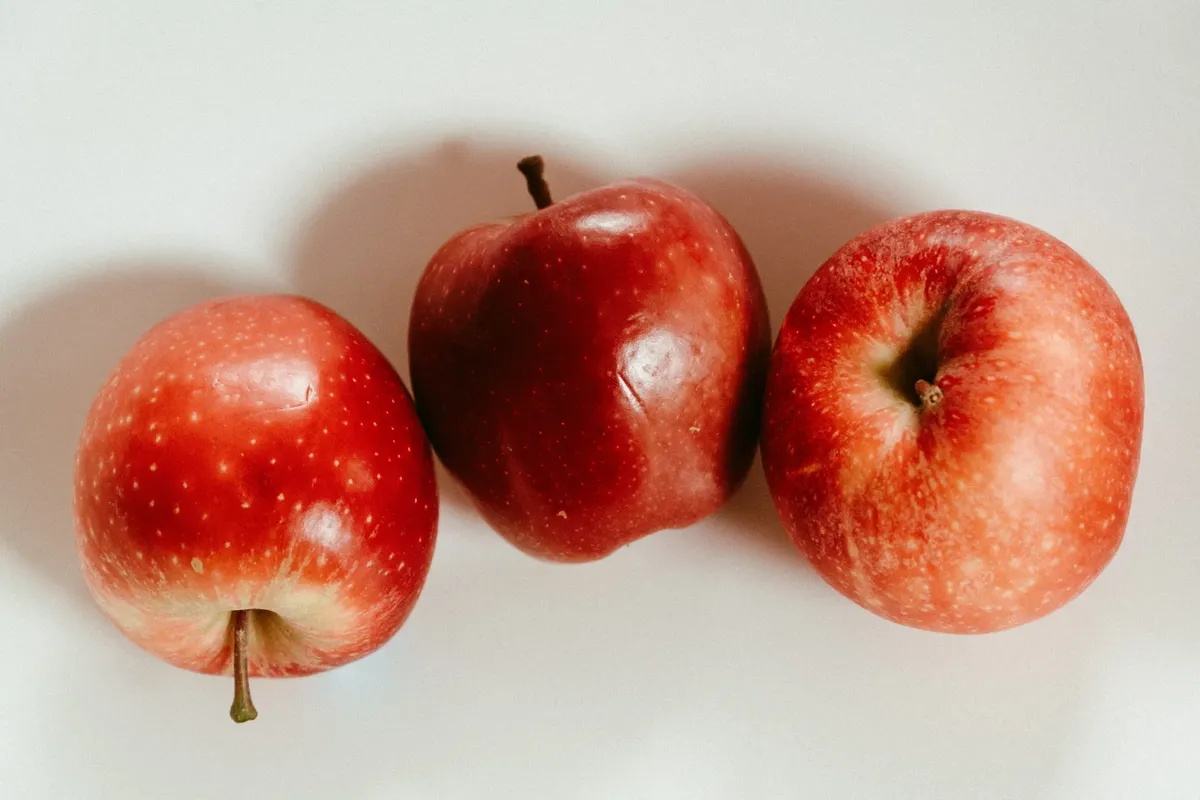
At noon in the bright dining room, I pick up a crunchy apple to follow my healthy weight rules.
A person weighs a portion of grains on a kitchen scale to ensure consistency. To maintain a healthy weight, the World Health Organization suggests eating roughly the same number of calories that your body is using.

This balance helps prevent the weight fluctuations often associated with irregular eating patterns.
Effective diet principle guide strategies include: 1. Prioritize high-fiber foods like legumes and vegetables to promote satiety. 2. Monitor portion sizes to match energy expenditure. 3. Focus on nutrient density to ensure caloric intake translates to health benefits.
A final check involves assessing if the meals are satisfying without causing excessive caloric surplus.
| Dietary Component | Recommendation |
|---|---|
| Total Fat Intake | No more than 30% of total caloric intake |
| Simple Sugars | Less than 10% of caloric intake |
I found that adjusting these ratios helped me understand the difference between volume and density.
Prioritize nutrient-dense foods over calorie-dense ones to ensure satiety and steady energy levels throughout the day.
How should we manage fats and sugars?
Late at night in the dim kitchen, I push away the sweet pastry to maintain a healthy balance.
A person pours a small amount of olive oil into a pan, choosing a liquid fat over solid butter. To manage health, it is necessary to limit the intake of fats to no more than 30% of total caloric intake, preferring unsaturated fats to saturated fats.
This shift helps maintain cardiovascular health by focusing on the quality of lipids.
Managing sugar intake is equally critical for metabolic stability. It is recommended to limit the intake of simple sugars to less than 10% of caloric intake, though staying below 5% of calories may be even better.
A healthy eating basics approach requires avoiding sugared sodas, 100% fruit juice, artificially sweetened drinks, and other highly processed food. These items often provide empty calories that do not contribute to satiety or nutrition.

Limit processed sugars and saturated fats while incorporating unsaturated fats from sources like nuts, seeds, and olive oil.
What are the risks of poor diet quality?
A person looks at a medical report, considering the long-term implications of nutritional choices. The World Health Organization has estimated that 2.7 million deaths each year are attributable to a diet low in fruit and vegetables during the 21st century.
According to the Food and Agriculture Organization, the UN Food and Agriculture Organization estimates that in 2023 40% of the world population, 2.8 billion couldn't afford a healthy diet.
This significant figure underscores the urgency of improving vegetable and fruit consumption.
A simple meal planning strategy can mitigate these risks by ensuring variety. The lack of dietary diversity can lead to nutritional deficiencies that impact various bodily functions.
A limitation of these guidelines is that individual caloric needs vary based on age, sex, and activity level, meaning the 30% fat limit must be adjusted to the individual's total energy requirements.
Consistently consuming low-quality food can lead to energy fluctuations, weakened immunity, and various chronic health issues.
How to implement a healthy diet through practical steps?
A person prepares a meal prep container filled with colorful vegetables and proteins. Implementing a healthy diet requires a shift from processed convenience to intentional food selection.

The National Population Health Survey (NPHS) 2025 and Health Promotion Board’s (HPB) National Nutrition Survey (NNS) 2025 highlight improvements in preventive health behaviours, following the launch of ... according to the Health Promotion Board.
- Build meals around plant-based foods: Focus on legumes, nuts, and seeds as primary protein and fiber sources. 2. Reduce processed items: Minimize the consumption of salt and ultra-processed foods to protect metabolic health. 3. Monitor sugar and fat: Keep simple sugars and saturated fats within the recommended percentage of daily calories.
A final check ensures that these changes are sustainable for your lifestyle.
- Plan meals in advance to avoid impulsive, unhealthy choices.
- Prepare whole foods at home to control ingredients.
- Practice portion control to manage caloric intake.
Related
- Hydration Secret to healthy eating guide for wellness
- Winter energy recovery diet: Tips for plant-heavy eating
What happens when we neglect the healthy diet principles? Neglecting the healthy diet principles can lead to nutritional deficiencies impacting bodily functions. The lack of dietary diversity can cause these deficiencies even if caloric intake seems adequate. Individuals might experience issues because the body is not receiving the necessary spectrum of micronutrients from whole foods. This poor dietary quality raises concerns about long-term health outcomes.
When fats are not managed properly, the cardiovascular system faces increased strain. Consuming excessive saturated fat contributes to poor lipid profiles, which is contrary to the goals of a healthy diet. Similarly, high sugar intake negatively affects metabolic stability over time.
These imbalances require careful attention to maintain a healthy diet.
Neglecting nutritional principles often results in metabolic imbalances and a gradual decline in overall physical well-being.
How does portion control relate to the healthy diet? Monitoring portion sizes directly supports the goal of maintaining a healthy weight. This practice ensures that the energy consumed aligns with the energy expended by the body. Focusing on nutrient density within those controlled portions maximizes the health benefits derived from the food. A healthy diet emphasizes that the *quality* of the food matters as much as the *quantity*.
Adjusting food ratios, such as limiting simple sugars to less than 10% of caloric intake, is a key procedure in managing a healthy diet. This adjustment helps prevent the empty calories that do not provide satiety or essential nutrition.
The comparison between high-fiber foods and processed items illustrates the difference in nutritional value.
These guidelines offer a framework for making better daily food choices to support long-term wellness. The foundation of a healthy diet rests upon selecting nutrient-dense whole foods while carefully controlling intake of less beneficial components.








Comments 0