Digital health standards guide how to address rising costs
"The success of providing care depends on collaboration, empathy and shared decision making."
Digital health standards guide the transition from traditional clinical settings to more versatile, data-driven environments. These frameworks aim to address global shortages in medical staff and rising costs of chronic illness management through technological integration.
Key takeaways include understanding global strategies for digital health, recognizing the role of regulatory bodies like the FDA, and acknowledging the limitations of current app oversight.
How do global strategies shape digital health?

A strategist sits in a quiet office, reviewing documents that outline the future of connectivity and patient care. In May 2018, the World Health Organization passed a global strategy for digital health.
This move followed earlier efforts, such as a 2015 plan to use digital health to end Tuberculosis.
These frameworks aim to create a cohesive approach to technology in medicine. Building safe listening environments for data and patient needs requires such high-level coordination.
The World Health Organization also worked on plans around 2015 to target specific diseases like Tuberculosis through digital means.
The goal of these strategies is to ensure that technology serves as a bridge rather than a barrier. Global digital health frameworks provide the necessary roadmap for nations to align their technological infrastructure.
This alignment is essential for managing the 4.3 million healthcare worker shortage estimated by the World Health Organization.
What is the role of regulatory bodies in health tech?
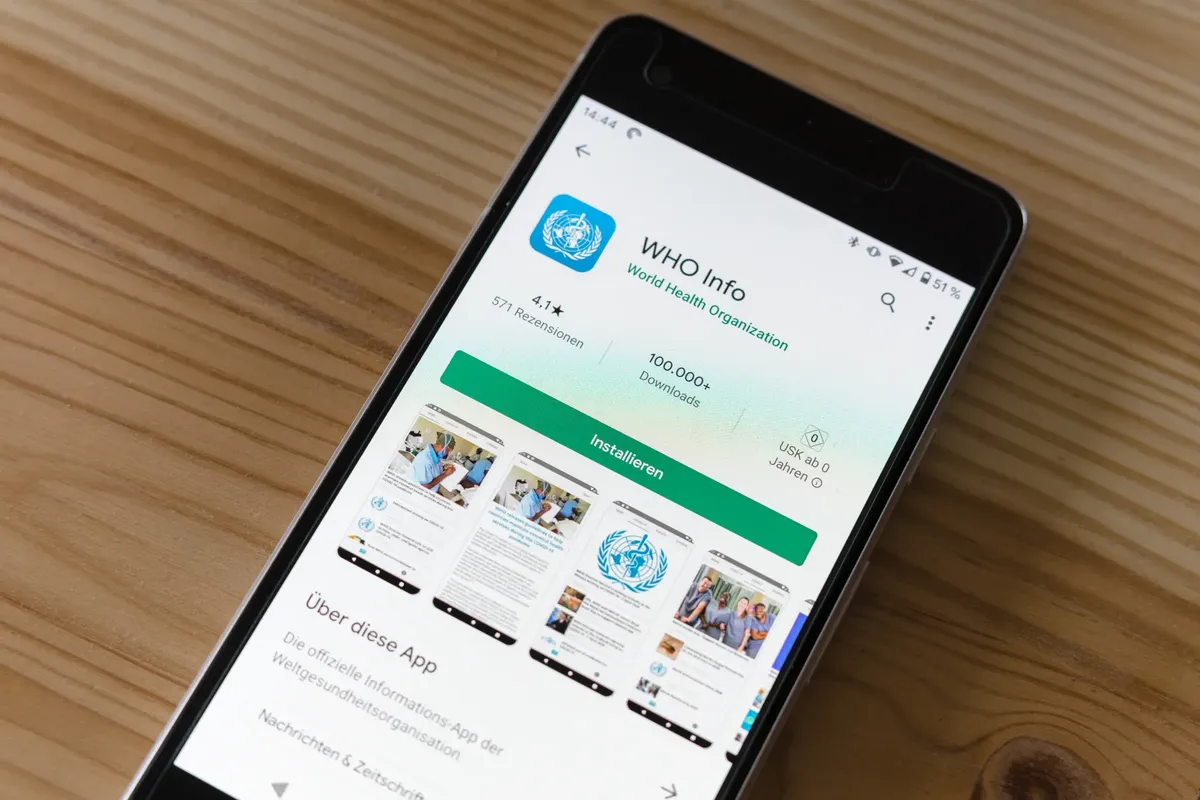
The regulator leans forward in the dim office to scrutinize the new digital software on the screen.
A regulator reviews a new software application, checking for compliance with established safety protocols.
In 2019, the FDA published a Digital Health Innovation Action Plan that planned to reduce inefficiencies for physicians in an effort to cut overhead costs, improve access, increase quality of service, and make medicine more easily adapted for each person.
This plan was designed to modernize the way clinicians interact with digital tools. Implementing AI health securely often begins with these foundational regulatory efforts to streamline service.
The focus remains on making medicine more personal and accessible through better technological integration.
However, regulation is not applied uniformly across all software. The FDA cannot regulate all healthcare apps, so they use "enforcement discretion," and up until 2020, they have chosen not to regulate all digital care programs and apps.
This gap highlights the need for constant vigilance in the digital space.
How can we ensure secure digital care?
At midnight in the dim server room, the technician's fingers tremble while scanning the network for a breach in secure digital care.
An IT professional monitors a network, looking for vulnerabilities in a hospital's data stream. Securing sensitive patient information requires a deep understanding of how data moves between devices and providers.
Secure digital care depends on the integrity of the platforms used to transmit life-saving information.
Regulatory bodies attempt to balance innovation with safety. For instance, the FDA's historical choice to use enforcement discretion meant many apps remained outside direct oversight. This reality makes it vital for users to understand the scope of existing regulations.
The focus on quality of service in the 2019 FDA plan suggests a push toward more reliable tools. As technology evolves, the standards for data integrity must also advance. This ensures that the tools used to manage chronic illnesses remain both effective and safe.
What are the limitations of current oversight?

A technician examines a mobile health application, noting that it does not meet clinical-grade standards. While many tools offer health insights, they do not all fall under the same level of scrutiny. Recognizing these boundaries is a key part of using digital tools responsibly.
The FDA's use of enforcement discretion meant that many digital care programs were not regulated. This specific approach allowed for rapid growth but created gaps in oversight. AI health safety rules are often still being developed to catch up with this rapid expansion.
A limitation of the current regulatory landscape is that the FDA cannot regulate all healthcare apps. This means some tools used for health management may lack the rigorous testing applied to traditional medical devices.
How can we prepare for a digital health future?
An administrator plans a budget, considering the integration of new software into a clinic's workflow. Preparing for a digital-first environment involves understanding both the opportunities and the risks. Professionals must stay informed about changing standards to maintain high quality of service.

The 2019 FDA plan aimed to make medicine more easily adapted for each person. This move toward personalization requires robust, interoperable systems. As the medical field shifts, the ability to adapt to new tools becomes a core competency for healthcare workers.
Addressing the worldwide shortage of 4.3 million healthcare workers requires efficient technology. By reducing inefficiencies for physicians, digital tools can help alleviate some of the pressure on the global workforce. This makes the strategic implementation of technology a necessity.
- How do global strategies shape digital health?
- What is the role of regulatory bodies in health tech?
- How can we ensure secure digital care?
Related
- Health international law: Tips on economic realities of care
- Holistic health definition: Tips for mental social health
When is collaboration most critical in digital health? Collaboration is most critical when providing care because the transition involves integrating complex technological systems with human patient needs. The success of providing care relies on this shared understanding between clinicians and the digital tools they employ. High-level coordination is necessary to build safe listening environments for both data and patient requirements.
How does technological integration affect patient outcomes? Technological integration aims to address global shortages in medical staff while simultaneously managing the rising costs associated with chronic illness. This integration provides the necessary roadmap for nations to align their technological infrastructure. The success of providing care is directly supported when technology functions as a bridge rather than an obstacle to treatment.
The FDA's action plan sought to improve access and increase the quality of service for individuals receiving medical treatment. This focus on personalization requires that the systems supporting care be robust and capable of interoperability.
Understanding these conditions helps practitioners navigate the evolving landscape of digital health.
Maintaining the success of providing care necessitates that professionals stay informed about changing standards. This awareness is crucial for ensuring that the tools used remain both effective and safe as technology progresses.
Users must understand the scope of existing regulations given the current oversight limitations.
Wikipedia: Digital health (full) Based on the retained excerpt mentioning The World Health Organization: The World Health Organization's Global Observatory for eHealth (GOe) conducts and reports a worldwide survey of its 194 member nations on their progress towards EHR implementation as well as universal healthcare coverage.
Disclaimer: This article is general information, not medical advice. Consult a qualified healthcare professional before taking any supplement or medication.








Comments 0