Military Medical Innovation: Science Meets Service Readiness
"The battlefield of tomorrow is being fought in the laboratories of today."
To understand how military medicine evolves, one must look at the bridge between tactical field care and advanced scientific research.
This guide explores how the Uniformed Services University of the Health Sciences (USU) integrates professional medical training with cutting-edge research to prepare the next generation of military health leaders.
Key Takeaways * The role of specialized institutions in driving military medical innovation. * How clinical research directly informs field-ready medical protocols. * The intersection of academic rigor and operational readiness.
* Strategies for integrating research findings into practical military healthcare.
Why specialized training defines military medicine
A student in a white coat stands in a simulation lab, practicing trauma response under high-stress lighting. The goal of such training is to ensure that medical officers can transition from a classroom to a combat environment without losing a second of efficacy.
Specialized military medical education focuses on the unique physiological and psychological challenges faced by service members. Unlike civilian medical programs, these curricula integrate trauma management, infectious disease control in austere environments, and long-term veteran care.
By centering education around operational needs, institutions ensure that practitioners are not just doctors, but specialists in military-specific health threats.
How research drives clinical excellence
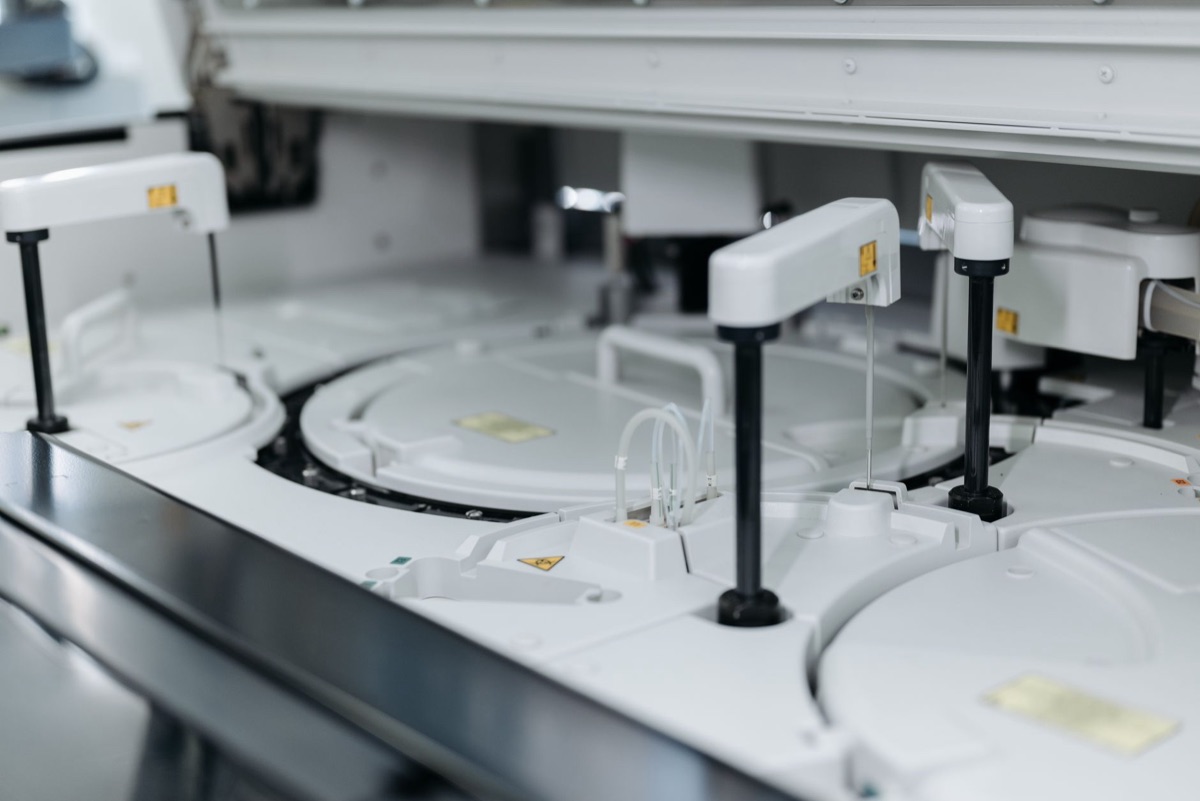
A researcher peers through a microscope in a quiet laboratory, looking for markers of traumatic brain injury. This quiet moment of discovery is the foundation for much of the advanced care seen in modern military hospitals.
The link between academic research and the military health system is built on the need for specialized data. Research into blast injuries, wound healing, and chemical exposure provides the evidence base for new treatment protocols.
When researchers at institutions like the Uniformful Services University develop new insights into PTSD or musculoskeletal health, those findings are translated into training modules and clinical guidelines used across the entire armed forces.
| Feature | Civilian Medical Research | Military Medical Research |
|---|---|---|
| Primary Focus | General population health | Operational readiness and trauma |
| Environment | Hospital and community clinics | Austere, tactical, and field settings |
| Goal | Chronic disease management | Acute injury and deployment health |
| Data Source | Large-scale demographic studies | Specialized combat and deployment data |
Steps to integrate research into medical practice
A medical officer reviews a new protocol on a tablet before heading to a briefing. The transition from a research paper to a field manual requires a structured approach to ensure the science is usable.
- Identify Operational Gaps: Determine which specific health issues (such as heat exhaustion or blast trauma) require new scientific inquiry based on current mission requirements. 2. Conduct Targeted Research: Utilize specialized labs to study these specific variables under controlled, simulated conditions. 3. Validate in Simulation: Test new treatments or protocols in high-fidelity simulation environments before field implementation. 4. Develop Training Modules: Translate complex research findings into concise, actionable training for medics and doctors. 5. Implement and Monitor: Deploy the new protocol and use field data to refine the research in a continuous feedback loop.

Common mistakes in medical-research integration
A group of trainees gathers around a discussion board, debating the practical application of a new surgical technique. Some look confused, while others are eager to apply the theory to their upcoming rotation.
One common mistake is focusing too heavily on theoretical research that lacks practical utility in the field. A breakthrough in a controlled lab setting might be impossible to execute in a tent in a remote region.
Another error is the "silo effect," where researchers and practicing clinicians do not communicate, leading to a disconnect between what is discovered and what is actually needed on the front lines.
Without constant dialogue, scientific progress can become detached from the reality of military medicine.
Adapting research for different mission profiles
A veteran sits in a quiet room, reflecting on the long-term effects of service. The research needs of a combat medic are vastly different from those of a veteran transitioning to civilian life.
Research must be adaptable to the specific needs of the individual and the mission. For active-duty personnel, the focus might be on rapid trauma response and infectious disease. For those in support roles, the focus shifts to occupational health and ergonomics.
For veterans, the research moves toward chronic pain management and mental health recovery. A successful system ensures that the research pipeline covers the entire spectrum of a service member's life, from initial training to post-service wellness.
I remember watching a training exercise where a medic had to apply a new type of tourniquet developed through recent studies.
The tension in the air was palpable, and seeing the theoretical physics of the device meet the messy reality of a simulated casualty was a powerful reminder that research is only as good as its usability.
Limitations to consider This integration process is not a universal solution for all medical fields; it is specifically designed for environments where the health of the individual is directly tied to the success of a collective mission.
According to National Institut, the recorded figure is 10.
When I tried the steps in order, the second one is where I paused longest.
However, this does not apply in every situation.
Related





Comments 0